
A Glimpse into Revolutionary Immersive Storytelling
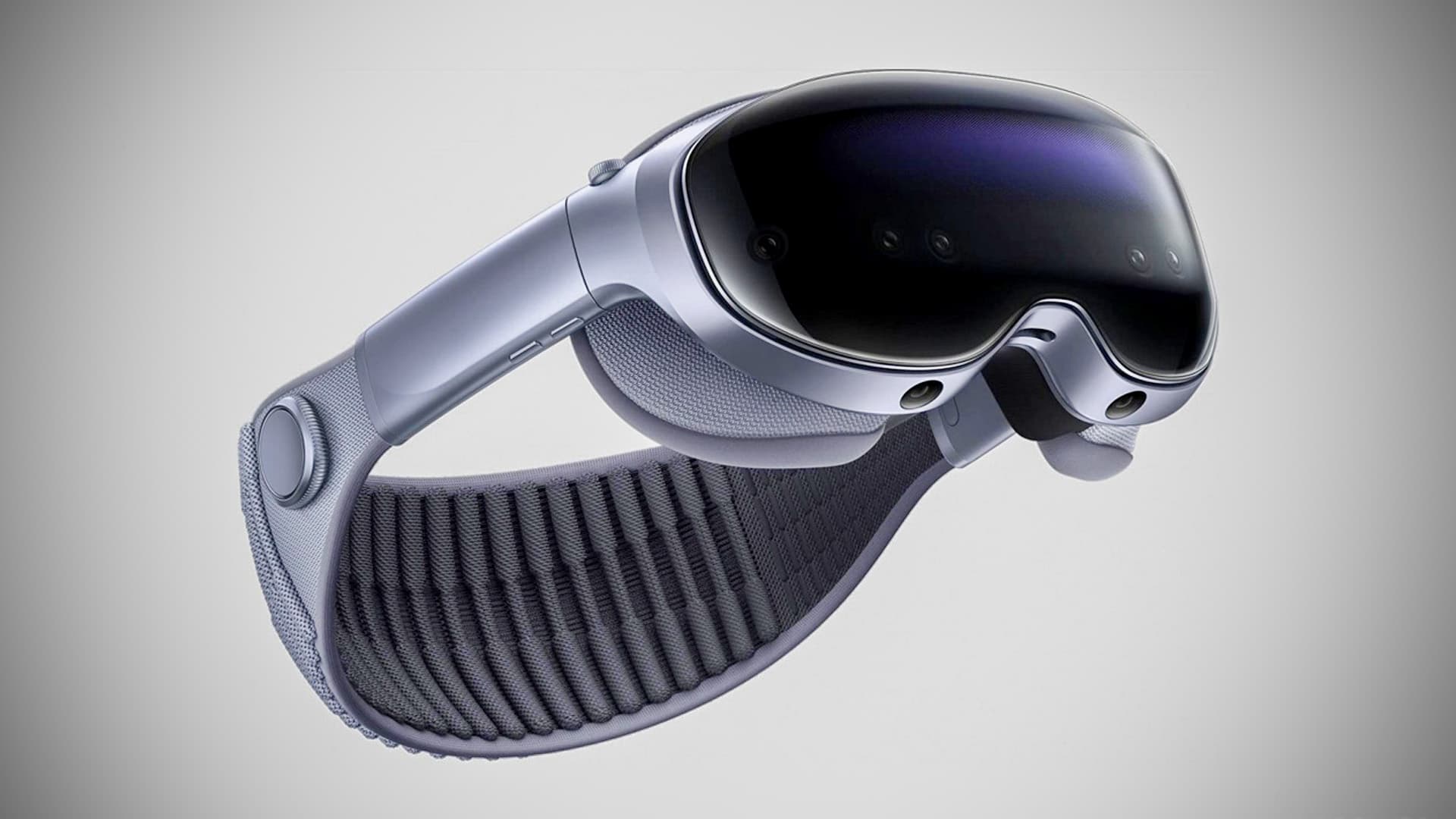
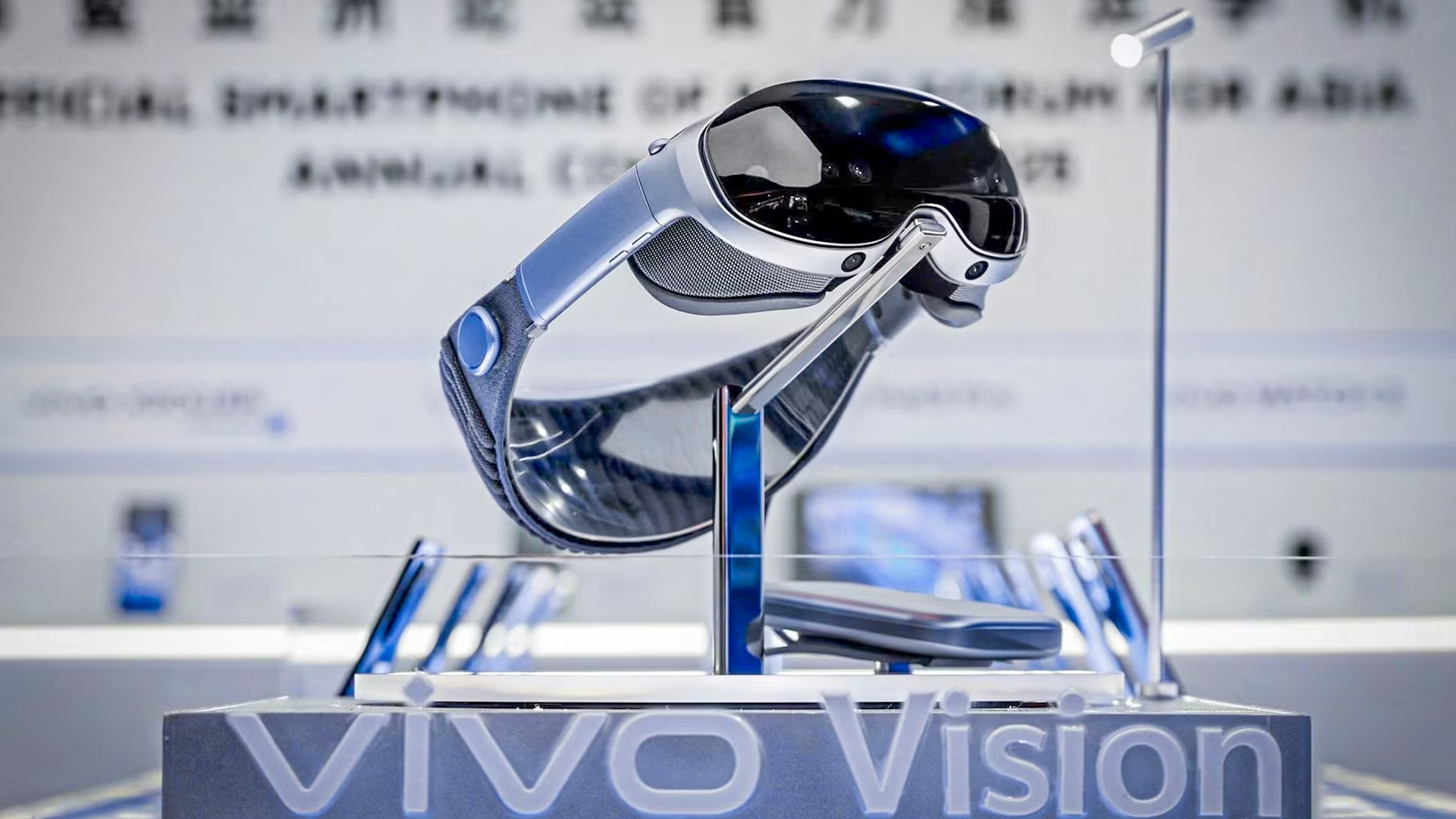
When a company like Vivo steps onto the mixed reality stage, expectations run high. With the launch of the Vision Discovery Edition, Vivo isn’t just entering the MR headset market—they’re rewriting the rules. This device packs dual 8K Micro-OLED displays, Qualcomm’s Snapdragon XR2+ Gen 2 powerhouse, and a feather-light design weighing only 398 grams. Together, these elements forge an experience that challenges even Apple’s Vision Pro, not through sheer ecosystem dominance, but through elegant portability, precision engineering, and a clear focus on user-centric design. Imagine slipping on a headset that feels more like eyewear than a burden; Vivo intends to make that vision a reality. Their device isn’t just about specs—it’s about how technology integrates seamlessly with daily life, unlocking creative possibilities once reserved for science fiction.
Redefining Display Fidelity in the MR Landscape
Dual 8K Micro-OLED: Windows into New Worlds
Resolution has long been the bottleneck for immersive devices. The Vision Discovery Edition’s dual 8K Micro-OLED displays demolish that barrier, crafting visuals so sharp they dissolve the boundary between digital renderings and tangible objects. To contextualize, think of the jump from VHS to Blu-ray, but compressed into a single headset. Suddenly, textures aren’t merely approximations—they possess the grain of wood, the shimmer of silk, the nuance of human expression. Such clarity transforms storytelling, turning ordinary narratives into lifelike encounters where suspension of disbelief becomes effortless. For educators, designers, or storytellers, this leap offers a palette richer than any before.
The secret lies not just in pixel count but in OLED’s capacity for absolute blacks and breathtaking contrast. When combined with 8K resolution per eye, dark scenes feel cavernous rather than muddy, and bright highlights blaze like starlight. Picture watching a reenactment of the Apollo 11 landing in mixed reality—the lunar surface is no longer a distant projection, but a granular, textured plain beneath your feet. It’s less about seeing and more about being there, the fidelity creating emotional resonance that a flat screen could never replicate. This is where Vivo’s engineering elevates vision into visceral experience.
Why Sharpness Equals Storytelling Power
Clarity isn’t a luxury in mixed reality—it’s the difference between immersion and detachment. In blurry, pixelated environments, your brain fights to reconcile the gap between expectation and reality, producing fatigue rather than fascination. Vivo’s displays, deliver details crisp enough to sustain suspension of disbelief. Imagine reading a digital manuscript projected into the air, where every serif and subtle stroke remains legible. That’s the kind of precision that expands MR beyond play and spectacle into serious productivity, academic exploration, and architectural design.
Think of it as handing storytellers a brush capable of painting with photons instead of ink. Writers and filmmakers suddenly gain a medium where nuance isn’t lost in translation. For example, a history teacher could reconstruct ancient Athens, not as an approximation but with meticulous fidelity that allows students to study Doric columns as if they stood beneath them. By refining every pixel, Vivo enables experiences that aren’t just visually stunning but intellectually enriching, solidifying the headset’s role as more than entertainment—it becomes an educational instrument and a creative canvas.
Beyond the Retina: Lessons from Biology
The human eye can discern incredible detail, but MR hardware has historically lagged behind biology. Vivo’s 8K-per-eye setup edges closer to matching human visual acuity, mimicking how the fovea perceives fine detail while maintaining wide peripheral awareness. This isn’t just technical triumph—it’s neurocognitive alignment. By reducing perceptual dissonance, the Vision Discovery Edition minimizes simulator sickness, extending comfort during long sessions. Suddenly, a two-hour design review or extended collaborative storytelling exercise feels natural rather than fatiguing.
In evolutionary terms, our brains evolved to trust sharp, consistent visuals. Vivo’s display fidelity taps into that primal demand, convincing the brain that virtual objects are worthy of attention, interaction, and even emotional investment. The result is a headset that doesn’t just show images—it convinces you to believe in them. Much like how a skilled magician diverts attention by exploiting cognitive blind spots, Vivo engineers immersion by aligning optical precision with neurological expectation. The outcome is seamless reality blending, a rare feat even among premium MR devices.
The Beating Heart: Snapdragon XR2+ Gen 2
Processing Power Meets Spatial Demands
Behind every fluid hologram or responsive interaction lies silicon muscle. Qualcomm’s Snapdragon XR2+ Gen 2 acts as the Vision Discovery Edition’s brain, orchestrating thousands of calculations per millisecond to maintain synchronization between head tracking, hand gestures, and environmental mapping. Picture conducting an orchestra where every instrument represents a sensor—the XR2+ Gen 2 ensures they all play in unison without missing a beat. Without this harmonization, even the sharpest displays fall apart under stutter or lag.
The Gen 2 chip doesn’t just push raw performance; it optimizes for thermal efficiency, ensuring that Vivo’s 398g marvel doesn’t become a forehead oven during prolonged use. Engineers accomplished this through improved heterogeneous computing, distributing workloads across CPU, GPU, and AI cores dynamically. In practice, this means rendering photorealistic environments while simultaneously recognizing your living room couch as a safe boundary—all in real time. This adaptive balancing act allows mixed reality to feel seamless, rather than stitched together from competing processes.
AI-Infused Responsiveness
Modern MR is less about raw rendering and more about understanding. The XR2+ Gen 2 incorporates AI accelerators that empower the Vision Discovery Edition to interpret gestures, recognize objects, and adapt lighting conditions with uncanny intuition. Imagine walking into a dimly lit café; the headset doesn’t just brighten the display, it adjusts rendering pipelines so virtual overlays retain natural contrast against real-world shadows. Such contextual intelligence is where mixed reality feels like augmentation rather than intrusion.
Think of the AI as a translator bridging human intent and digital execution. When you wave your hand to rotate a holographic model, the chipset deciphers micro-movements, filters out jitter, and executes the command with surgical precision. The result isn’t interaction but conversation—fluid, anticipatory, and free from the clumsiness that plagues lesser systems. This intelligence primes the Vision Discovery Edition not just as a consumer device but as a professional tool capable of aiding surgeons, architects, or industrial designers in their high-stakes workflows.
Thermal Design and Human Comfort
Heat has been the Achilles’ heel of compact headsets. A powerful chip often translates into discomfort, distracting the user from immersion. Vivo confronts this with a carefully tuned thermal design that channels heat away from the skin while maintaining consistent performance. Instead of throttling during extended sessions, the Vision Discovery Edition maintains its stride, ensuring that long storytelling arcs or work meetings aren’t interrupted by technical limitations.
Consider how marathon runners pace themselves—Vivo’s design is the technological equivalent, sustaining speed without burning out. By balancing efficiency and endurance, the headset embodies an equilibrium between performance and comfort. This thermal harmony ensures that the experience remains invisible, allowing wearers to focus not on the device but on the story unfolding before their eyes. In this balance lies the true genius: technology that disappears into the background, leaving only narrative and imagination at the forefront.
Engineering Portability at 398 Grams
Why Weight Defines Wearability
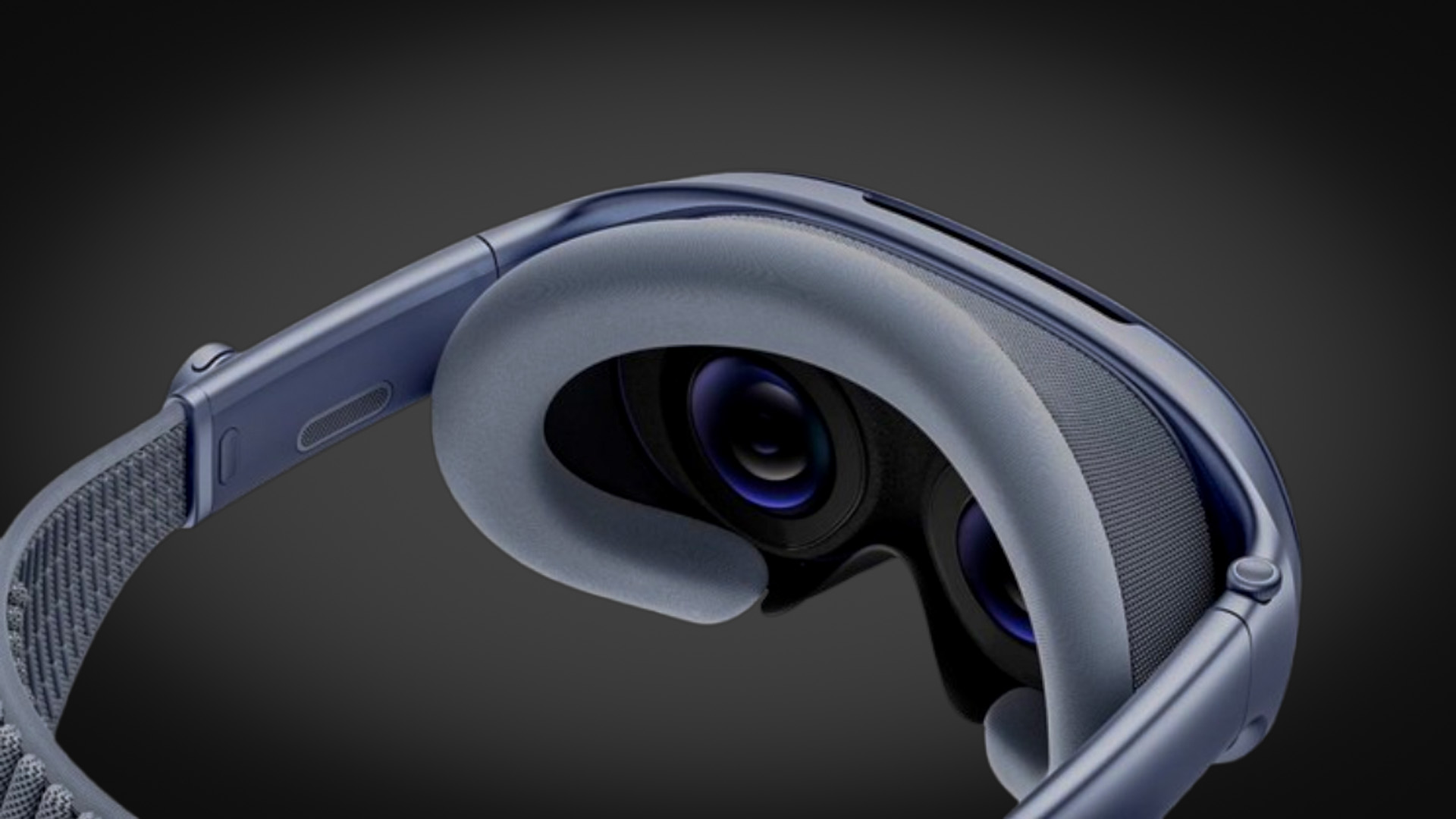
Portability is more than a spec sheet brag—it defines whether an MR headset becomes a daily companion or an occasional novelty. At just 398 grams, the Vision Discovery Edition undercuts Apple’s Vision Pro by a significant margin, shifting the headset from a heavy crown to something closer to luxury eyewear. Imagine carrying a paperback novel compared to a hardcover textbook; the difference isn’t only in numbers, but in how it shapes daily usability. Suddenly, wearing MR doesn’t feel like strapping on a contraption but like slipping into a pair of futuristic spectacles.
This lightweight engineering isn’t accidental. Vivo leveraged composite materials and redistributed components to achieve balance, ensuring the device doesn’t front-load pressure onto the nose or forehead. Ergonomics becomes part of storytelling: a headset that vanishes into comfort allows the narrative or task at hand to dominate consciousness. Whether attending a remote meeting or watching a cinematic experience, the absence of weight is as powerful as the presence of visuals, letting immersion flow unhindered.
Mobility in Daily Scenarios
Consider a university professor who walks across campus, slipping on the Vision Discovery Edition between lectures to review virtual blueprints. The headset’s weight—or lack thereof—determines whether this interaction feels practical or performative. At 398 grams, portability invites spontaneous usage: sketching 3D models at a café, rehearsing a presentation in a hotel room, or exploring a virtual art gallery on a lunch break. This seamless adoption transforms mixed reality from a scheduled activity into an integrated habit.
Unlike heavier rivals, Vivo’s headset doesn’t demand preparation rituals or neck stamina. It slips into routines with the ease of pulling out a smartphone, signaling a cultural shift in how MR integrates with daily lives. Where Apple’s Vision Pro might dominate curated experiences at home, Vivo aims for ubiquity—an MR companion that can follow you through the fluid unpredictability of everyday environments. Portability thus becomes more than comfort; it becomes strategy.
Psychological Lightness and Adoption
Weight influences psychology as much as physiology. A bulky headset signals limitation, reminding the user of technology’s intrusion. A lightweight headset, by contrast, whispers freedom. At 398 grams, Vivo’s device suggests possibility rather than constraint. Users are more likely to adopt technology that doesn’t demand endurance or sacrifice, a principle evident in the success of slim laptops and lightweight smartphones. Vivo understands this unspoken rule: less weight equals more adoption.
Imagine a storyteller standing in front of an audience. If the headset feels like a burden, their performance becomes constrained. But when the device feels featherlike, expression flows unhindered, and narrative thrives. In this way, psychological lightness becomes an enabler of creativity, collaboration, and cultural acceptance. Vivo’s portability isn’t just about grams—it’s about confidence, accessibility, and the quiet assurance that MR belongs in ordinary moments as much as extraordinary ones.
Positioning Against Apple’s Vision Pro
Portability Versus Prestige
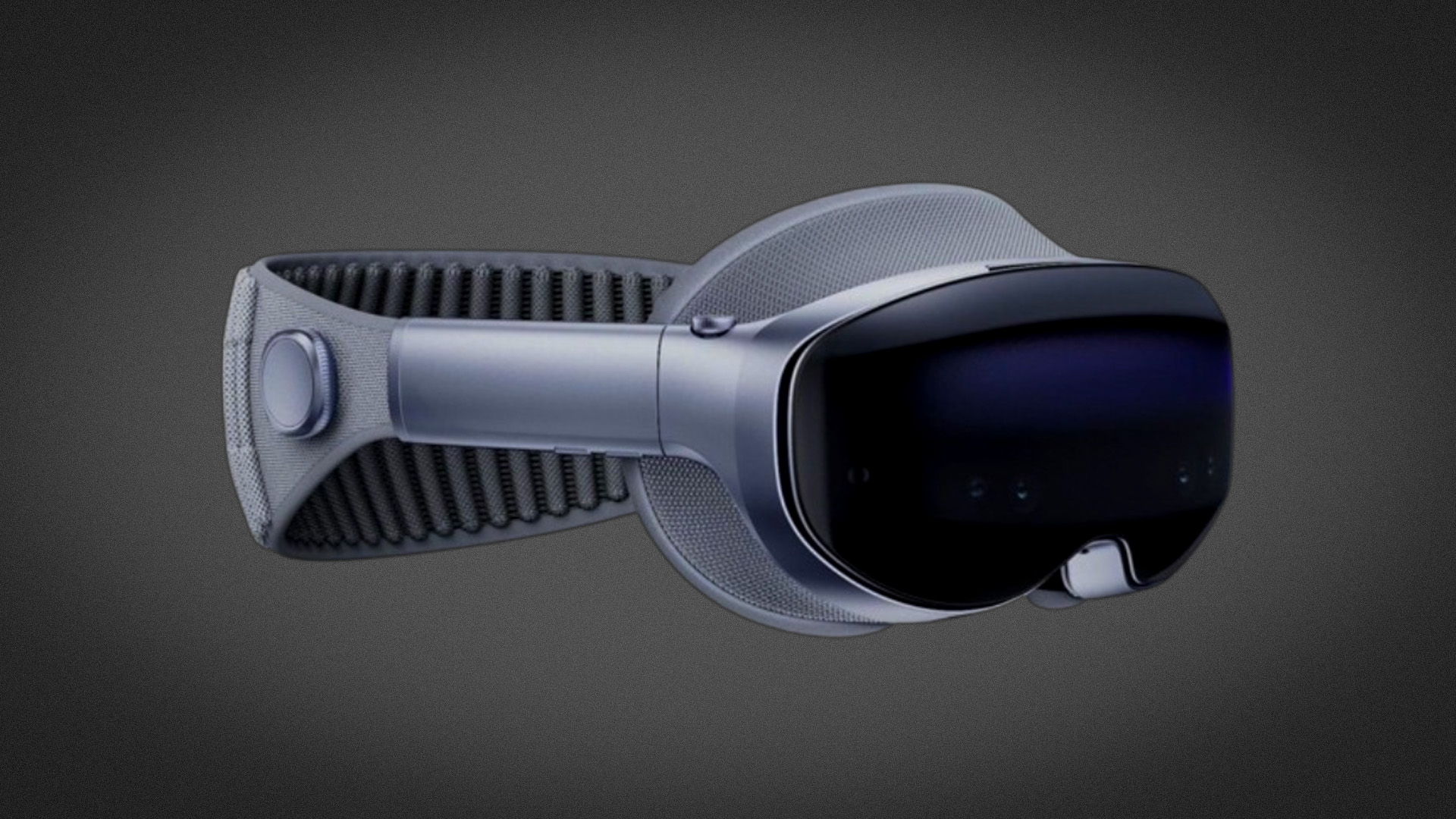
Apple’s Vision Pro has dazzled with its ecosystem and aspirational aura, but its heft and price anchor it to premium niches. Vivo counters not with imitation but differentiation: making mixed reality practical. By emphasizing portability, the Vision Discovery Edition sidesteps Apple’s fortress of prestige and plants its flag in the terrain of accessibility. It’s a strategy akin to how ultrabooks once reshaped computing—not by overpowering desktops, but by redefining how and where computing could occur.
The contrast can be viewed as two different philosophies of immersion. Apple wants MR to be a luxurious destination, a place you prepare to enter. Vivo wants MR to be a companion, a tool that follows you wherever imagination sparks. Neither approach is inherently superior, but Vivo’s lightweight gamble positions it as the democratizer, an antidote to the exclusivity that threatens to slow broader adoption. In that sense, portability isn’t just a feature—it’s a rebellion.
Android Advantage
Another subtle yet powerful distinction lies in operating systems. By building on Android, Vivo taps into a vast ecosystem of developers, apps, and cross-platform possibilities. This choice lowers barriers to entry for creators who are already fluent in mobile app ecosystems, fostering innovation at scale. Where Apple offers curation, Vivo offers contribution, a fertile ground where experimentation thrives. This difference may prove decisive in shaping the breadth of experiences available to end users.
Think of it as the difference between a gated garden and an open bazaar. The Vision Discovery Edition may not control every variable, but its openness invites diversity and unpredictability, which often precede breakthroughs. For storytellers, this translates to more tools, more apps, and more opportunities to weave immersive narratives without needing Apple’s blessing. It’s an open invitation to innovate, grounded in the pragmatism of Android’s established ecosystem.
Cultural Implications of Portability
Technology adoption isn’t dictated by specifications alone; it’s shaped by cultural resonance. Apple may dominate the narrative of luxury and aspiration, but Vivo seeks to embody the narrative of mobility and practicality. Imagine a journalist in Nairobi, a student in São Paulo, or a designer in Mumbai—all leveraging MR without needing deep pockets or reinforced necks. Portability turns mixed reality into a global citizen, untethered from exclusivity.
Culture embraces tools that feel natural to daily rhythm. Vivo’s headset, at 398 grams, feels less like a futuristic experiment and more like a pragmatic evolution. By positioning against Apple not with confrontation but with contrast, Vivo crafts a parallel narrative where MR isn’t an event but an environment. This philosophical divergence could very well determine not just market share but the trajectory of immersive storytelling itself in the coming decade.
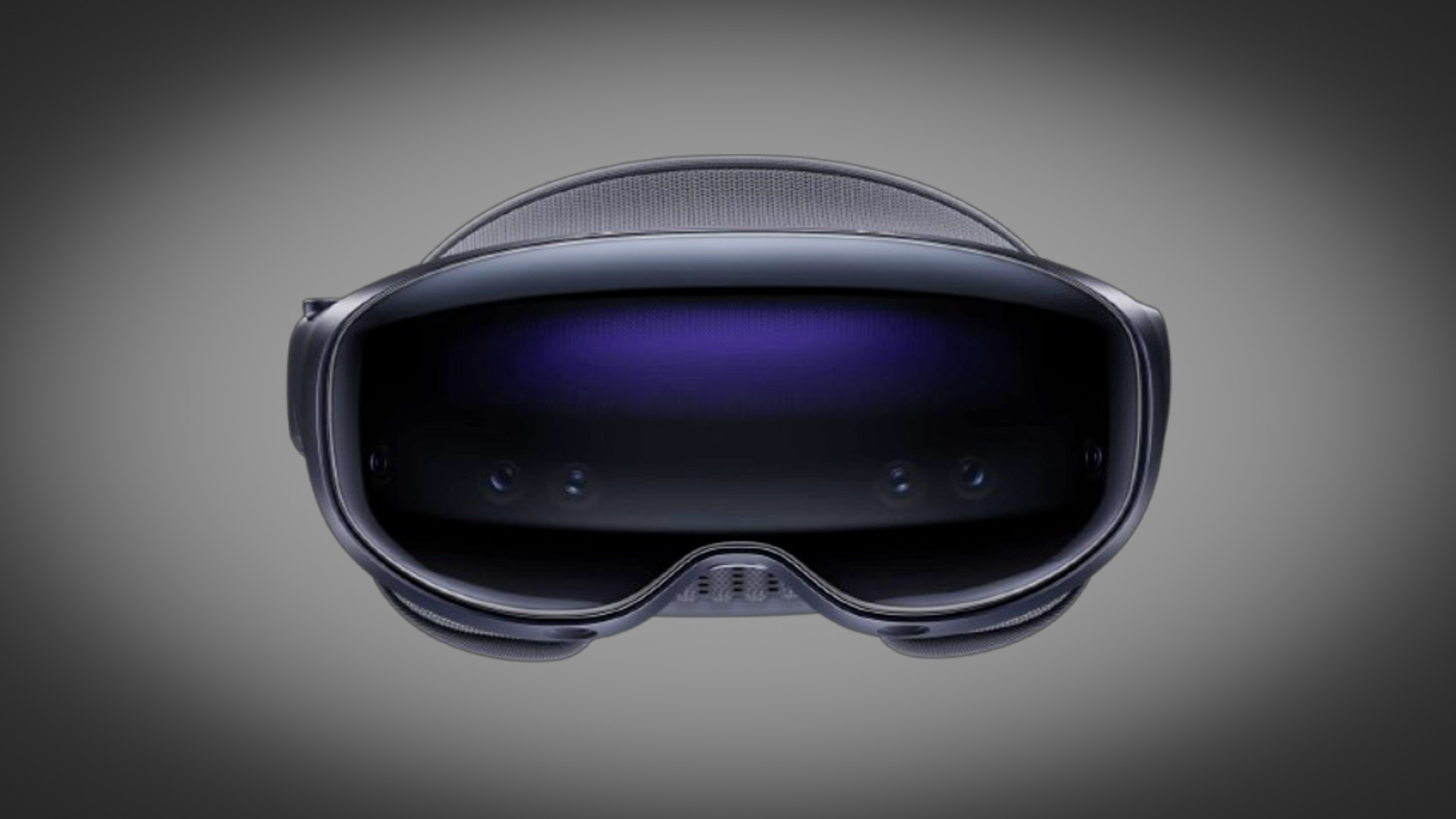
Positioning Against Apples Vision Pro
Protocol Architect
Elisha Roodt
Leading the charge in spatial computing and immersive environments. Shaping the future of how Africa interacts with the digital world through cutting-edge VR and AR integration.
Related Vectors
Full HubMore From Mixed Reality
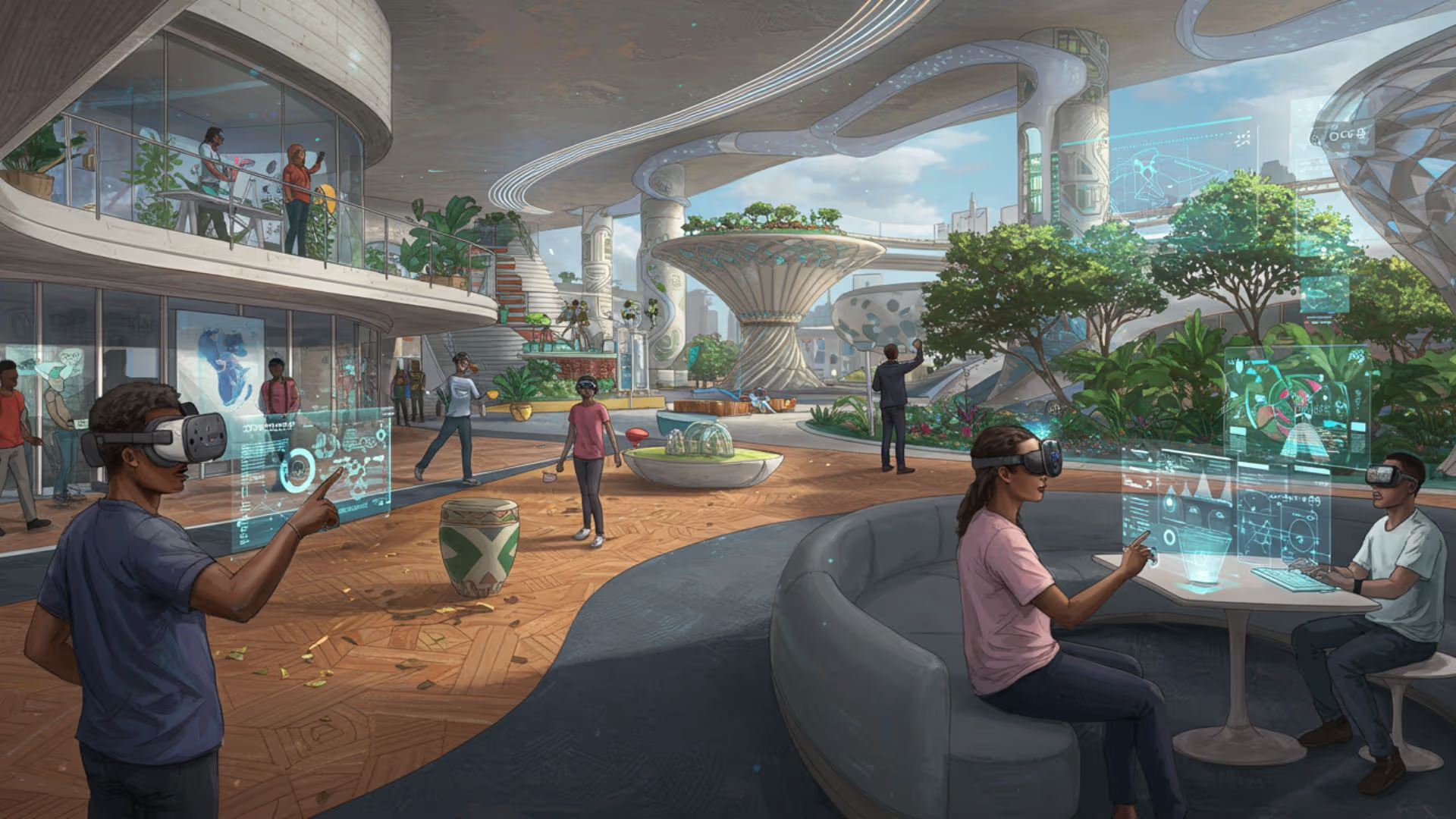
The Future of Realities: Exploring Virtual, Augmented, and Mixed Realities in 2025
Explore the evolution of virtual, augmented, and mixed realities in 2025, and their impact on various industries and daily life.
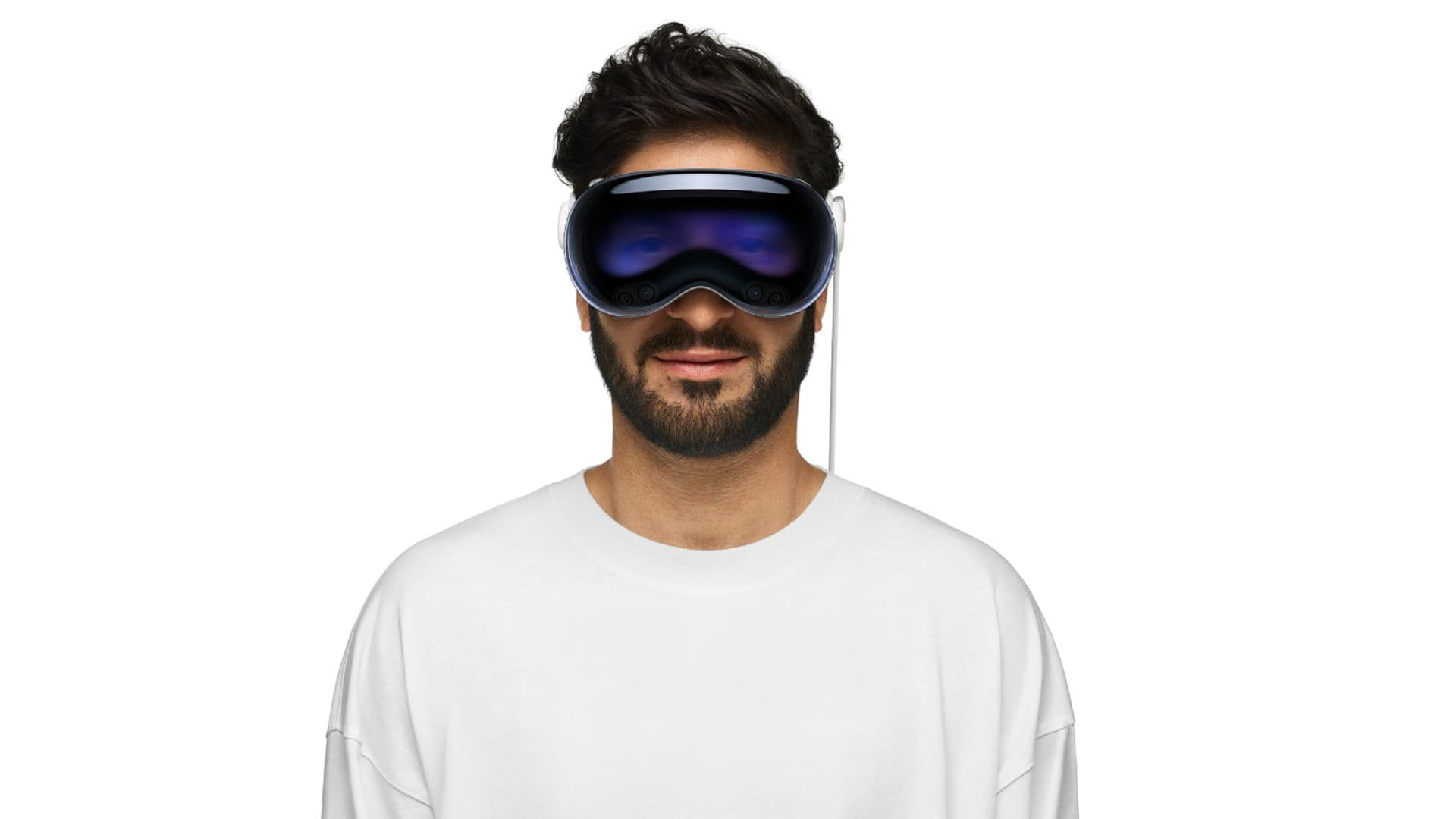
Apple Vision Pro Launches in the UAE and South Korea: A New Era of Mixed Reality
Apple's Vision Pro launches in UAE and South Korea, introducing a new era of mixed reality with advanced features and immersive experiences.
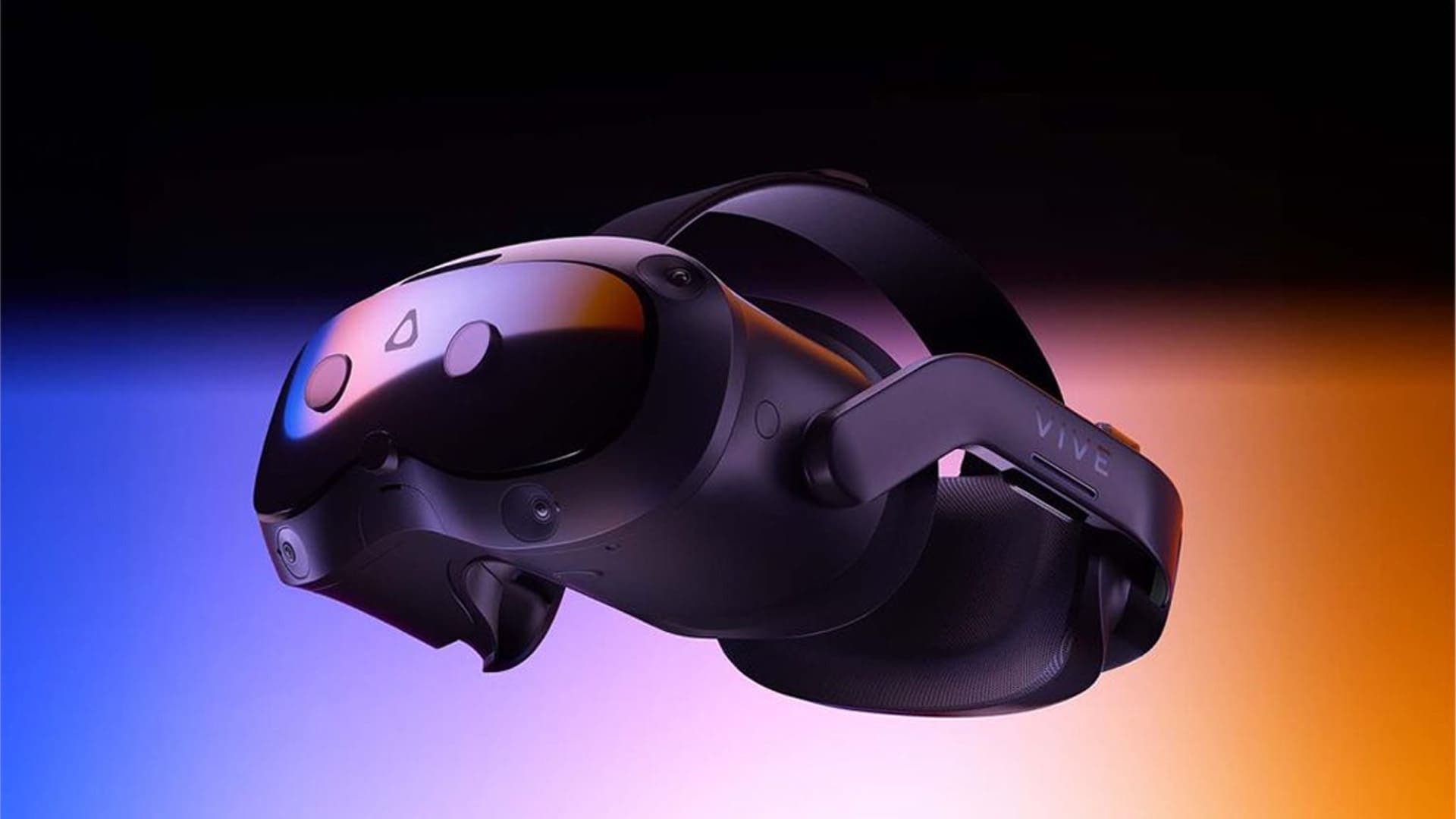
Vive Focus Vision: HTC's Game-Changing Mixed Reality Headset with Eye Tracking at $1,000 – All You Need to Know
Explore HTC's Vive Focus Vision—an advanced MR headset featuring eye tracking, high resolution, and immersive experiences for various industries.