
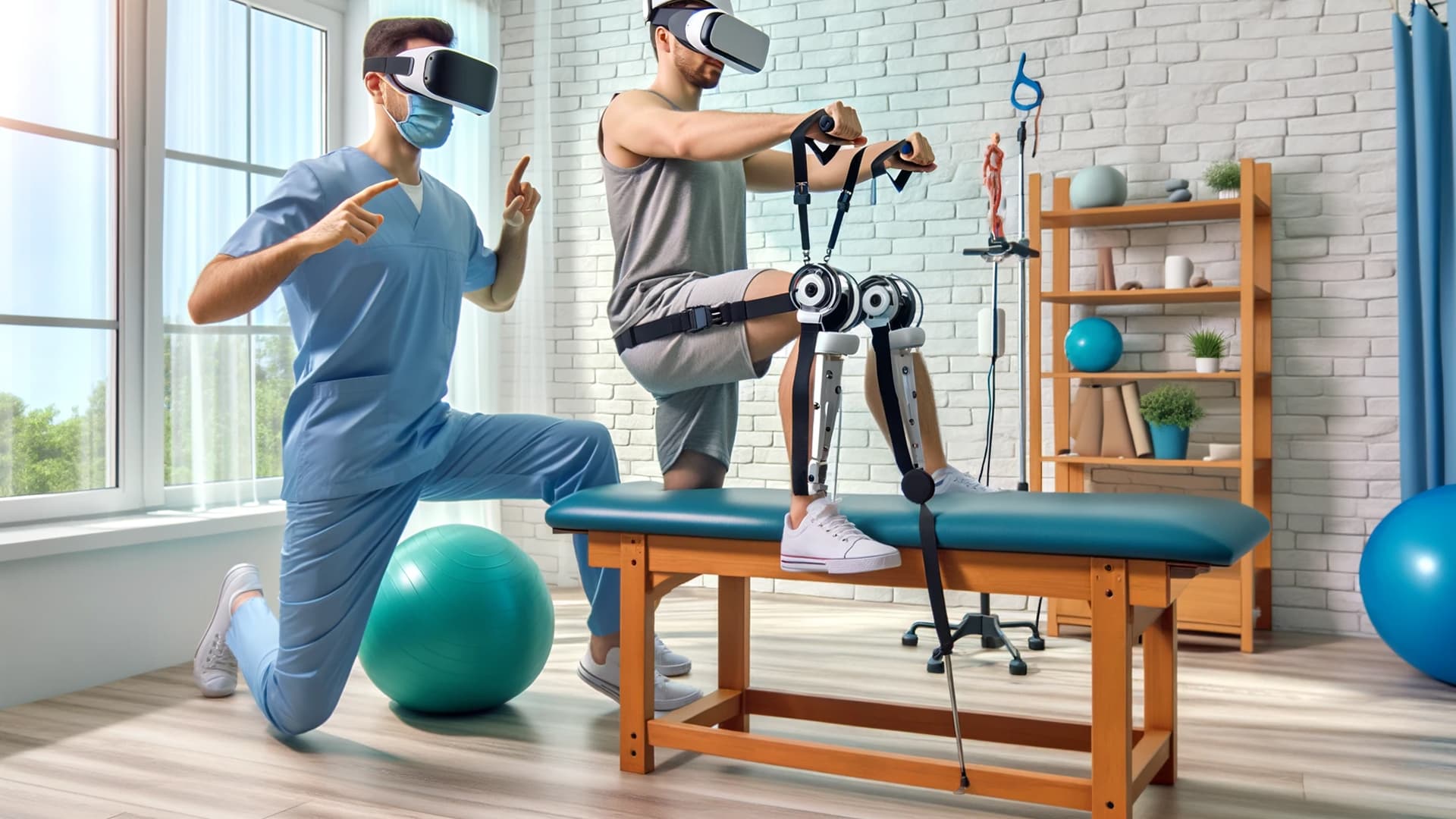
In the ever-evolving field of physiotherapy, practitioners are constantly seeking innovative approaches to enhance patient care and accelerate the rehabilitation process. Among the most groundbreaking developments in recent years is the integration of Virtual Reality (VR) technology into therapeutic practices. This cutting-edge tool is not just a game-changer; it's redefining the boundaries of what's possible in physiotherapy, offering new avenues for treatment that were once the stuff of science fiction.
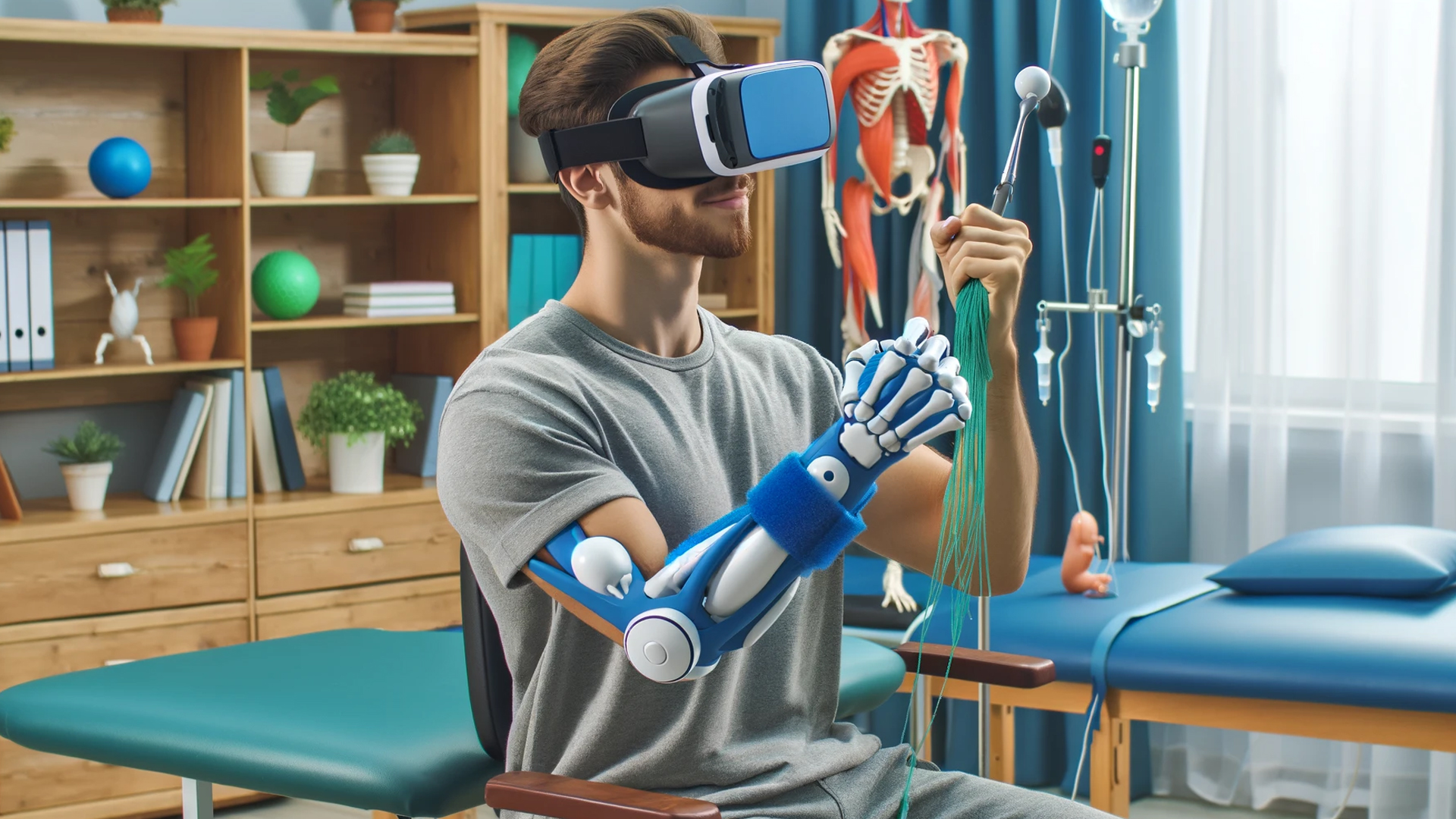
Virtual Reality, with its ability to create immersive, interactive environments, is revolutionizing the way physiotherapists approach rehabilitation. From improving motor skills and managing chronic pain to enhancing balance and facilitating cognitive recovery, VR technology offers a multifaceted platform for patient care. It enables a level of engagement and motivation that traditional methods struggle to achieve, making therapy sessions not only more effective but also more enjoyable for patients. The application of VR in physiotherapy stretches across various domains, catering to a wide range of conditions. Whether it's aiding stroke survivors in regaining motor functions, assisting individuals with balance disorders, or helping athletes recover from injuries, VR brings a new dimension to rehabilitation. It allows patients to practice real-world tasks in a safe, controlled environment, providing immediate feedback and enabling therapists to tailor interventions precisely to each individual's needs.
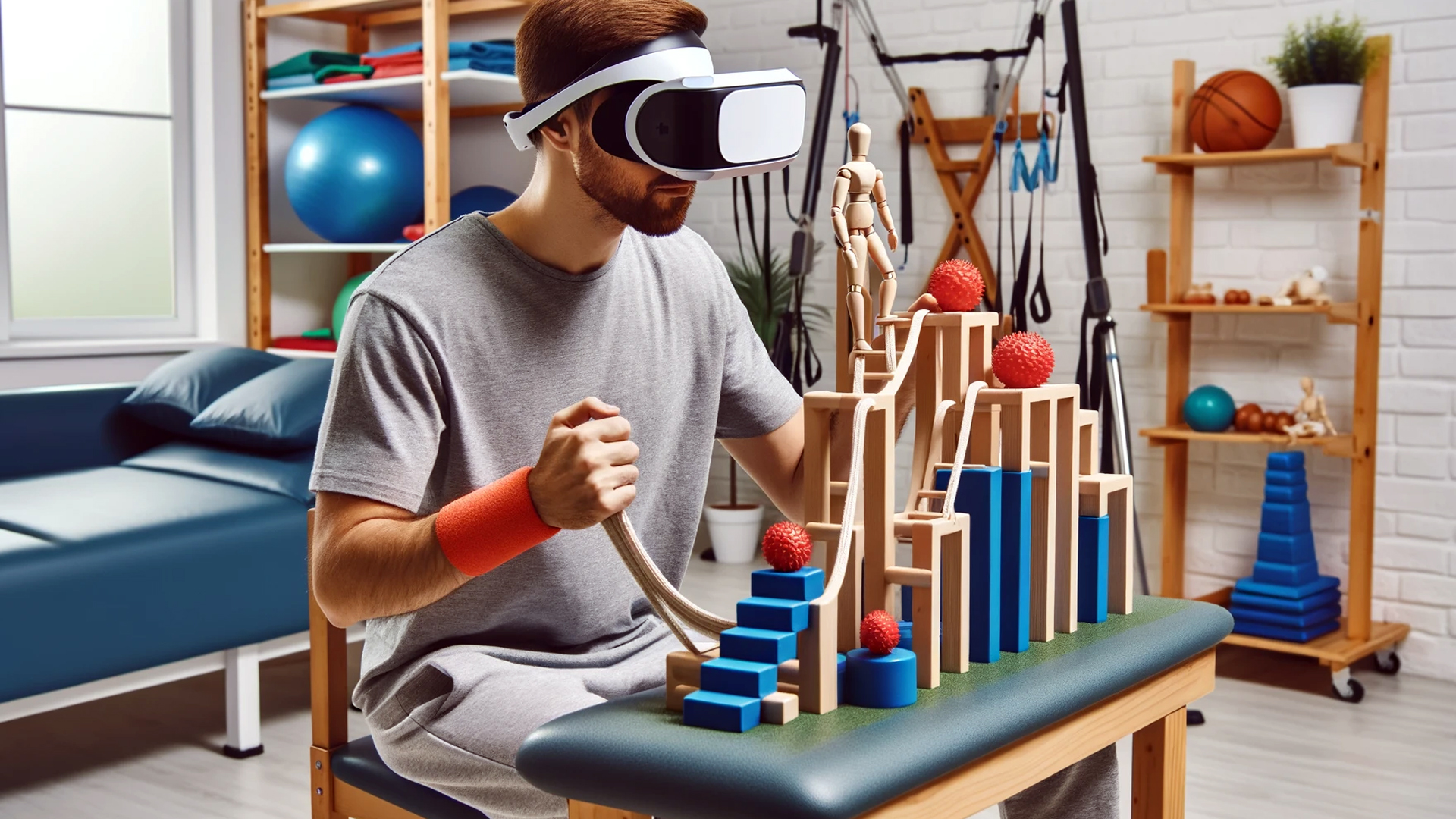
This article delves into the transformative impact of Virtual Reality on the physiotherapy landscape. It explores how VR technology is being employed to enhance traditional therapeutic techniques, offering insights into its applications, benefits, and the future it holds within the realm of rehabilitation. Join us as we uncover how Virtual Reality is not just changing the game but setting a new standard for physiotherapy practices worldwide.
Virtual Reality (VR) is reshaping the landscape of physiotherapy, offering innovative ways for physiotherapists to treat their patients. By immersing patients in a controlled and interactive virtual environment, VR technology can enhance the effectiveness of treatments, improve patient engagement, and accelerate the recovery process. Here’s how physiotherapists are utilizing VR with their patients:
1. Pain Management
VR has been shown to be an effective tool for pain management, especially for chronic pain and during painful physiotherapy sessions. By immersing patients in engaging virtual environments, VR can help distract the brain, reducing the perception of pain. This technique, known as “VR distraction,” can make physiotherapy sessions more tolerable and increase patient compliance.
2. Motor Function Rehabilitation
For patients recovering from strokes, spinal cord injuries, or other conditions that affect motor functions, VR can provide repetitive task training in a stimulating and motivating setting. VR programs can simulate real-life activities that patients may find challenging, such as walking, picking up objects, or navigating obstacles. These simulations can be tailored to the patient’s specific needs and adjusted as their condition improves, providing a personalized rehabilitation experience.
3. Balance and Gait Training
VR can create virtual scenarios that require patients to use their balance and coordination, such as walking on uneven surfaces or navigating through crowded spaces. These experiences can help improve balance, gait, and overall mobility in a safe and controlled environment. The instant feedback provided by VR systems allows physiotherapists to monitor progress and adjust the difficulty level as needed.
4. Cognitive Rehabilitation
VR also offers opportunities for cognitive rehabilitation for patients with traumatic brain injuries or neurological conditions. By engaging in virtual tasks that require memory, attention, problem-solving, and other cognitive functions, patients can work on improving their cognitive abilities alongside their physical rehabilitation.
5. Motivation and Engagement
One of the significant benefits of using VR in physiotherapy is the increased motivation and engagement it promotes among patients. Traditional physiotherapy exercises can sometimes be monotonous and demotivating. In contrast, VR offers an interactive and fun experience that can encourage patients to participate more actively in their treatment. Gamification elements, such as scoring systems and progress tracking, can further enhance motivation.
6. Tele-rehabilitation
VR technology can facilitate remote physiotherapy sessions, allowing patients to receive treatment from the comfort of their homes. This is particularly beneficial for individuals who have mobility issues or live in remote areas. Physiotherapists can remotely monitor their patients’ progress through the VR system, making necessary adjustments to the treatment plan based on real-time data.
Implementing VR in Physiotherapy Practices
For physiotherapists interested in incorporating VR into their practice, it’s essential to:
Assess the Needs: Determine the specific needs of your patient population and how VR can address those needs.
Choose the Right Equipment: Invest in the appropriate VR hardware and software that suit your treatment goals.
Stay Informed: Keep up-to-date with the latest VR developments and research in physiotherapy to continuously improve your practice.
Training: Ensure that both the physiotherapists and patients are adequately trained on how to use the VR equipment safely and effectively.
As VR technology continues to evolve, its application in physiotherapy is expected to expand, offering new and innovative ways to enhance patient care. By embracing VR, physiotherapists can provide more effective, engaging, and personalized treatments, ultimately leading to better outcomes for their patients.
Related Vectors
Full HubMore From Virtual Reality

Adaptive VR Training: Using Physiological Feedback to Improve Learning & Safety
Revolutionize training with adaptive VR—utilizing heart rate, gaze, and stress indicators to personalize learning and enhance safety.

Civilization VII in VR for Meta Quest 3: Release Date, Pricing, and What to Expect
Explore Civilization VII in VR—launching April 10, 2025, for $60. Experience the strategy classic in immersive mixed reality.
Optimizing Your Meta Quest 3 for Sim Racing Excellence
Enhance your sim racing experience with Meta Quest 3—step-by-step guide to calibration, hardware setup, and achieving peak performance.