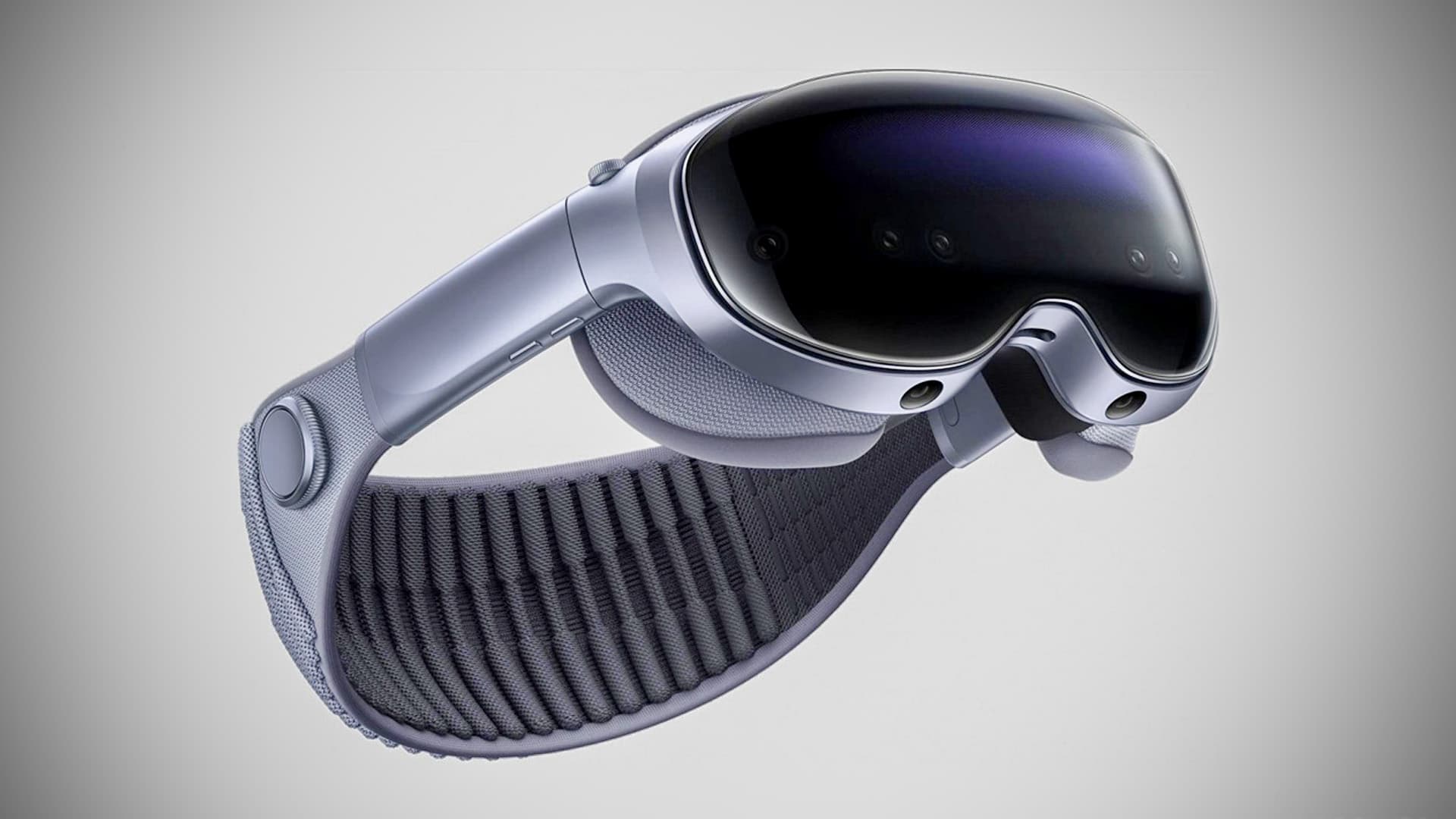

In a groundbreaking move that reshapes the landscape of virtual reality (VR), Meta has introduced a significant change to its ecosystem, heralding a new era for extended reality (XR) technology. The Quest operating system has been rebranded as Meta Horizon OS, and with it, a new openness is emerging. By inviting other manufacturers to integrate the Meta ecosystem, including companies like Lenovo and ASUS, Meta is setting the stage for a more interconnected and versatile VR experience.
The New Horizon: Meta Horizon OS
The renaming of the Quest system to Meta Horizon OS signifies more than just a change of name; it reflects Meta’s strategic pivot towards inclusivity in VR technologies. Lenovo is already developing mixed reality devices focused on productivity, learning, and entertainment, while ASUS is working on a high-performance gaming headset, both utilizing the Meta Horizon ecosystem.
This expansion is further complemented by an intriguing partnership with Microsoft Xbox, resulting in a limited-edition Meta Quest inspired by Xbox. Although it's not the full-fledged collaboration some might expect, it's a clear signal of Meta’s intent to diversify and deepen its industry alliances.
Strategic Partnerships and Qualcomm’s Role
Meta’s decision to base the Horizon OS compatibility on Qualcomm Snapdragon chipsets is strategic, ensuring seamless integration between software and hardware. This choice not only enhances performance but also simplifies the adaptation process for new OEMs entering the ecosystem.
Google and Apple: The Competitive Landscape
With rumors of Google launching its Android XR system at the upcoming Google I/O, Meta’s proactive strategy to cement its platform in the market is timely. Meta aims to leverage its extensive game catalog and immersive experiences to secure a dominant position, even as new contenders like Google enter the fray.
Empowering Developers and Enhancing User Experience
Meta is also transforming how users access content within its ecosystem. The integration of App Lab into the Meta Horizon Store aims to eliminate barriers, making it easier for users to discover and enjoy a wider variety of indie games and applications. This move is expected to drive higher engagement and support the growth of independent developers within the Meta platform.
A Vision for the Future
Meta’s shift towards an open ecosystem marks a pivotal moment for VR. This strategy not only challenges existing market norms but also sets a new standard for future developments in XR technology. The potential for increased software revenue, as OEMs adopt the Horizon Store, aligns with the business model used in mobile app stores, where content sales drive profitability.
At Realities.co.za, we are excited to track these developments and explore how they impact both the local and global XR markets. Meta’s initiative to open its ecosystem represents a significant advancement for the VR community, promising enhanced connectivity, diversity, and innovation. We look forward to seeing how this new phase in VR development unfolds and what it means for users and developers alike.
Stay connected with Realities.co.za for more insights into the evolving world of virtual reality and extended reality.
Related Vectors
Full HubMore From Virtual Reality

Adaptive VR Training: Using Physiological Feedback to Improve Learning & Safety
Revolutionize training with adaptive VR—utilizing heart rate, gaze, and stress indicators to personalize learning and enhance safety.

Civilization VII in VR for Meta Quest 3: Release Date, Pricing, and What to Expect
Explore Civilization VII in VR—launching April 10, 2025, for $60. Experience the strategy classic in immersive mixed reality.
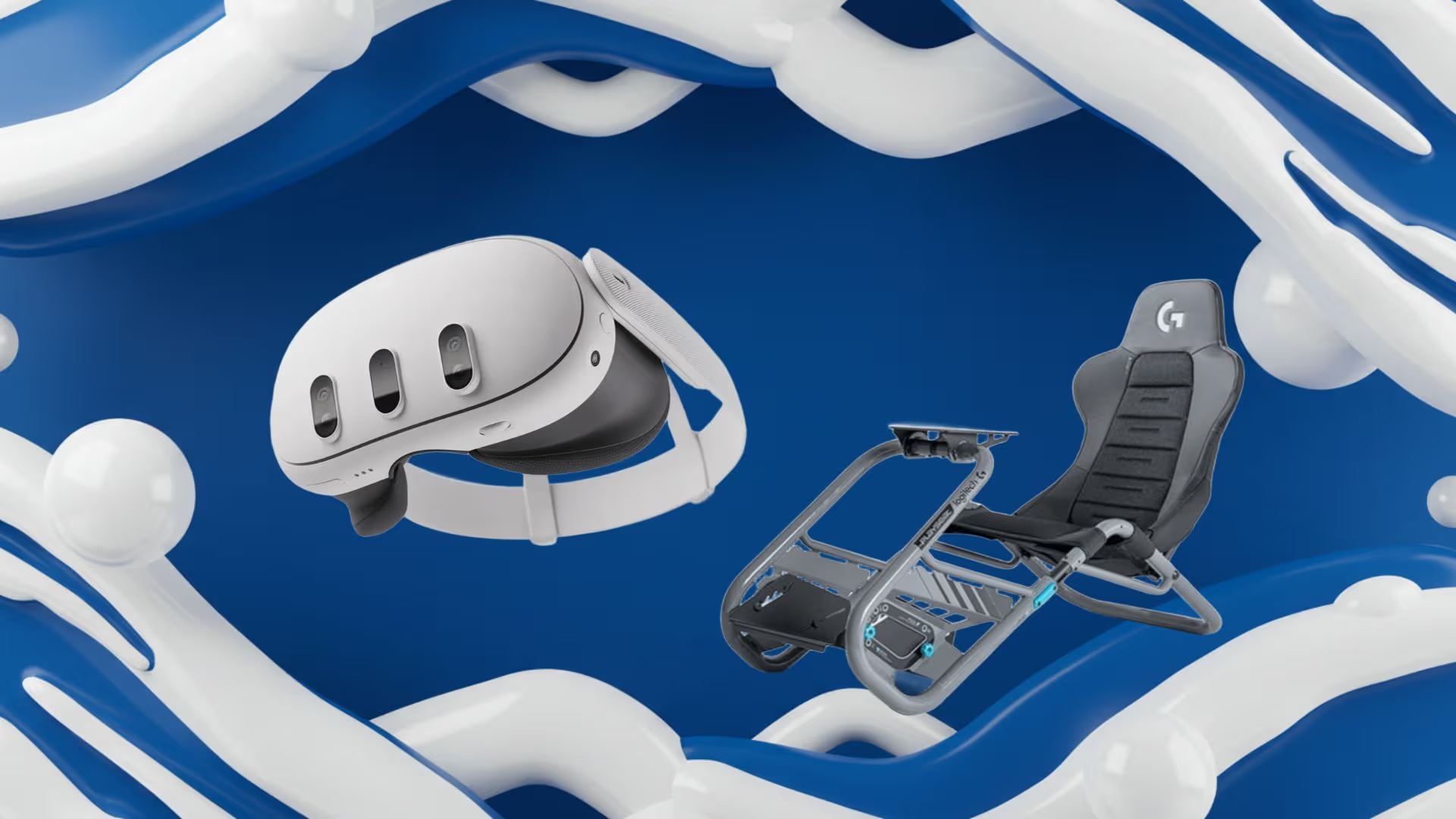
Optimizing Your Meta Quest 3 for Sim Racing Excellence
Enhance your sim racing experience with Meta Quest 3—step-by-step guide to calibration, hardware setup, and achieving peak performance.