
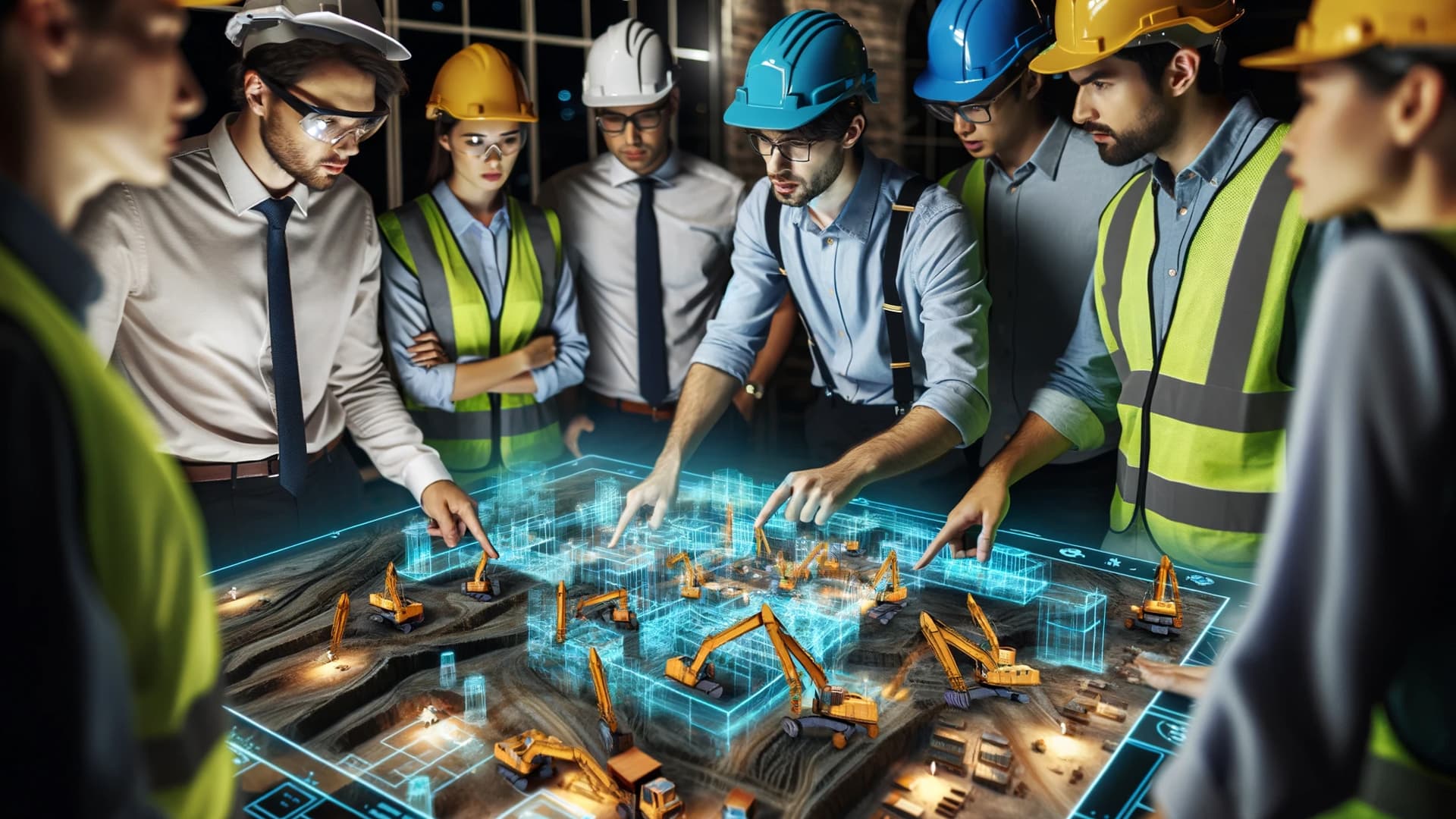
The mining industry, known for its harsh environments and high-risk operations, continually seeks innovative approaches to enhance safety and efficiency. Virtual Reality (VR) and Augmented Reality (AR) technologies are at the forefront of this quest, offering groundbreaking ways to train workers, improve safety protocols, and streamline operations. This article delves into how mining companies can harness VR and AR to create safer workplaces and more proficient teams.
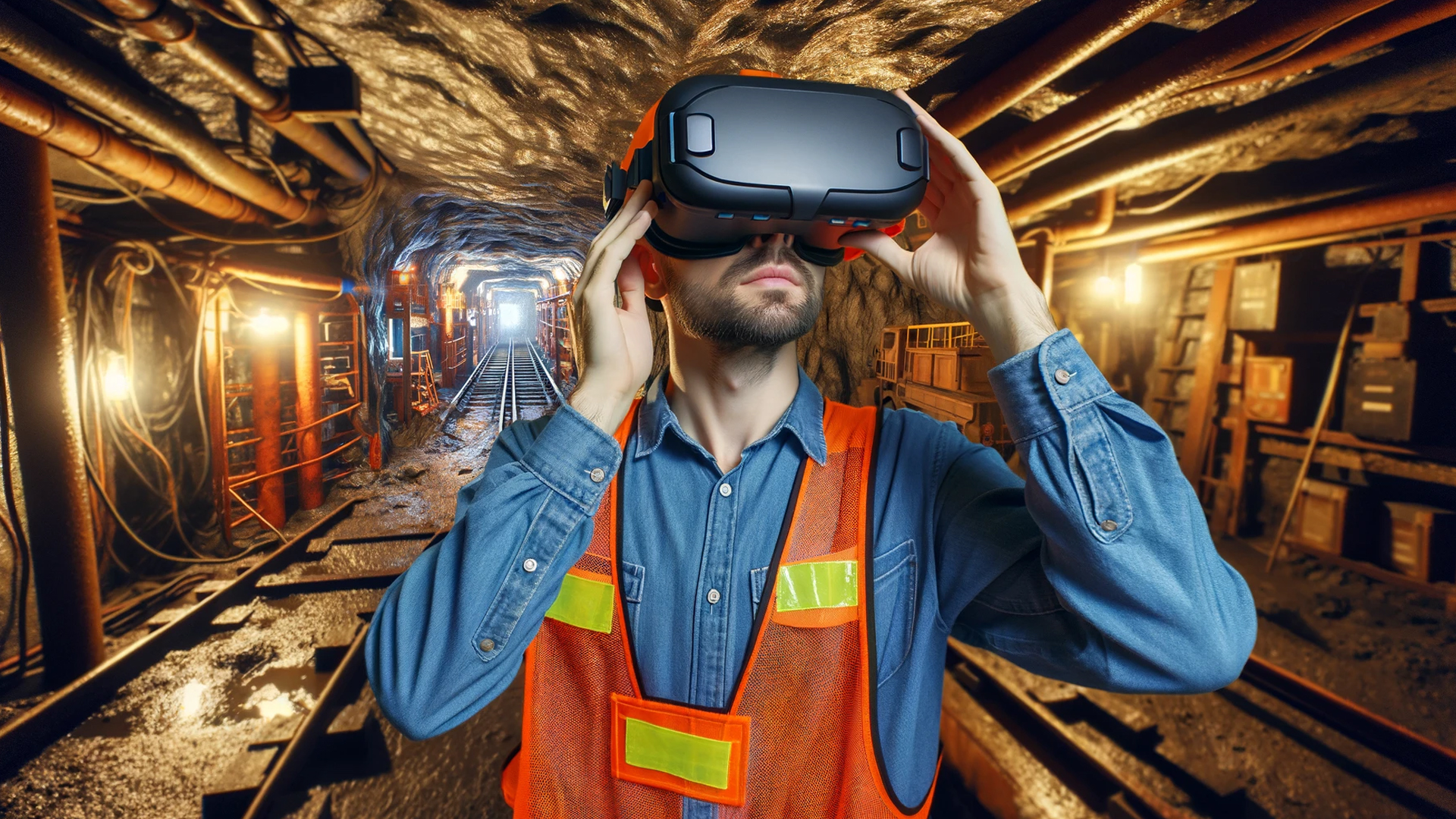
Virtual Reality: Immersive Training Environments
VR technology creates a simulated 3D environment that users can interact with in real-time, offering an immersive experience that is particularly beneficial for safety training in the mining sector. Here’s how VR can be effectively utilized:
1. Hazard Recognition Training
VR can simulate various underground and surface mining scenarios, including cave-ins, equipment failures, and emergency evacuations. These simulations allow workers to experience potentially dangerous situations in a controlled environment, enhancing their ability to recognize and respond to hazards.
2. Equipment Operation Training
Operating heavy machinery is a significant part of mining that requires precision and understanding. VR programs can mimic the operation of equipment such as drill rigs, loaders, and trucks, providing hands-on experience without the risks associated with real-life training.
3. Emergency Response Drills
Quick and efficient response to emergencies can save lives. VR simulations can prepare workers for emergencies, such as fires, gas leaks, and mine collapses, ensuring they know the proper procedures and escape routes.
Augmented Reality: Real-time Information and Guidance
While VR takes users to a completely digital world, AR overlays digital information onto the real world, enhancing the user’s perception and interaction with their environment. AR can be invaluable in the following areas:
1. Maintenance and Repair
AR can project detailed, step-by-step instructions onto equipment, guiding technicians through maintenance and repair processes. This not only speeds up the work but also significantly reduces the risk of errors that could lead to accidents.
2. Real-time Hazard Alerts
Through AR glasses or devices, workers can receive real-time alerts about potential hazards in their vicinity, such as gas concentrations, structural weaknesses, or machinery malfunctions. This immediate information can prevent accidents and improve overall safety.
3. Remote Expert Assistance
AR enables experts to provide real-time guidance and support to workers on-site without being physically present. Through AR glasses, a remote expert can see what the worker sees and offer direct assistance, which is particularly useful in complex or dangerous tasks.
Implementing VR and AR in Mining Operations
For mining companies looking to adopt these technologies, several steps can ensure effective implementation:
Needs Assessment: Identify the specific training needs and operational challenges that VR and AR can address.
Technology Partnership: Collaborate with VR and AR technology providers who have experience in developing solutions for the mining industry.
Pilot Programs: Start with pilot programs to test the effectiveness of VR and AR in meeting your company’s needs before full-scale implementation.
Continuous Evaluation: Regularly assess the impact of VR and AR on safety and efficiency, and adjust the programs as needed to maximize benefits.
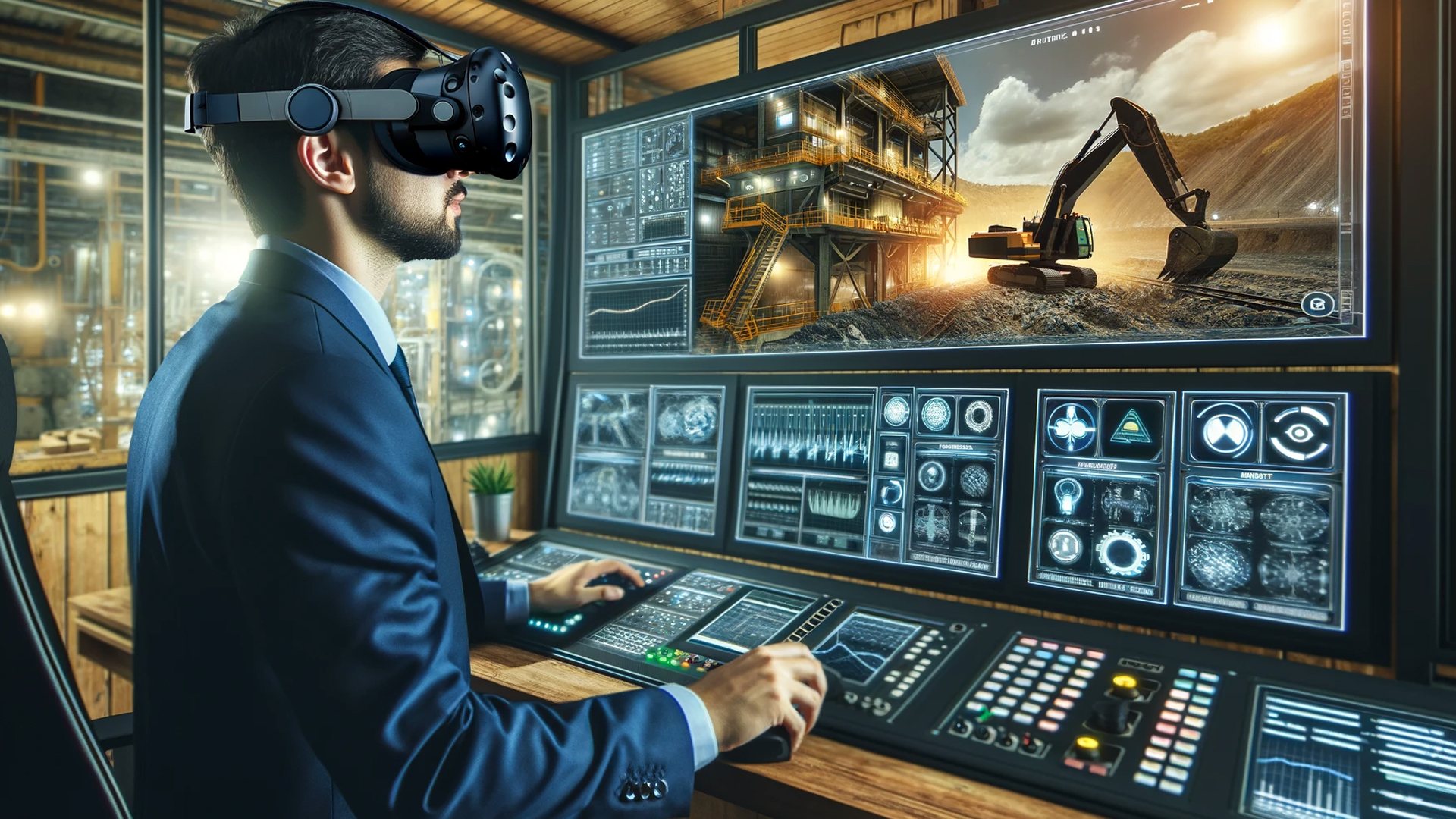
The Future of Mining Safety
The integration of VR and AR into mining operations represents a significant advancement in safety training and operational efficiency. By providing realistic training scenarios and real-time information, these technologies have the potential to significantly reduce workplace accidents and fatalities. As VR and AR continue to evolve, their role in the mining industry is set to grow, further enhancing the safety and productivity of mining operations worldwide.
In conclusion, the adoption of virtual and augmented reality technologies offers mining companies an unparalleled opportunity to enhance safety training, improve operational efficiency, and ultimately save lives. As we move forward, the continued innovation and application of VR and AR will undoubtedly play a critical role in shaping the future of mine safety.
Related Vectors
Full HubMore From Virtual Reality

Adaptive VR Training: Using Physiological Feedback to Improve Learning & Safety
Revolutionize training with adaptive VR—utilizing heart rate, gaze, and stress indicators to personalize learning and enhance safety.

Civilization VII in VR for Meta Quest 3: Release Date, Pricing, and What to Expect
Explore Civilization VII in VR—launching April 10, 2025, for $60. Experience the strategy classic in immersive mixed reality.
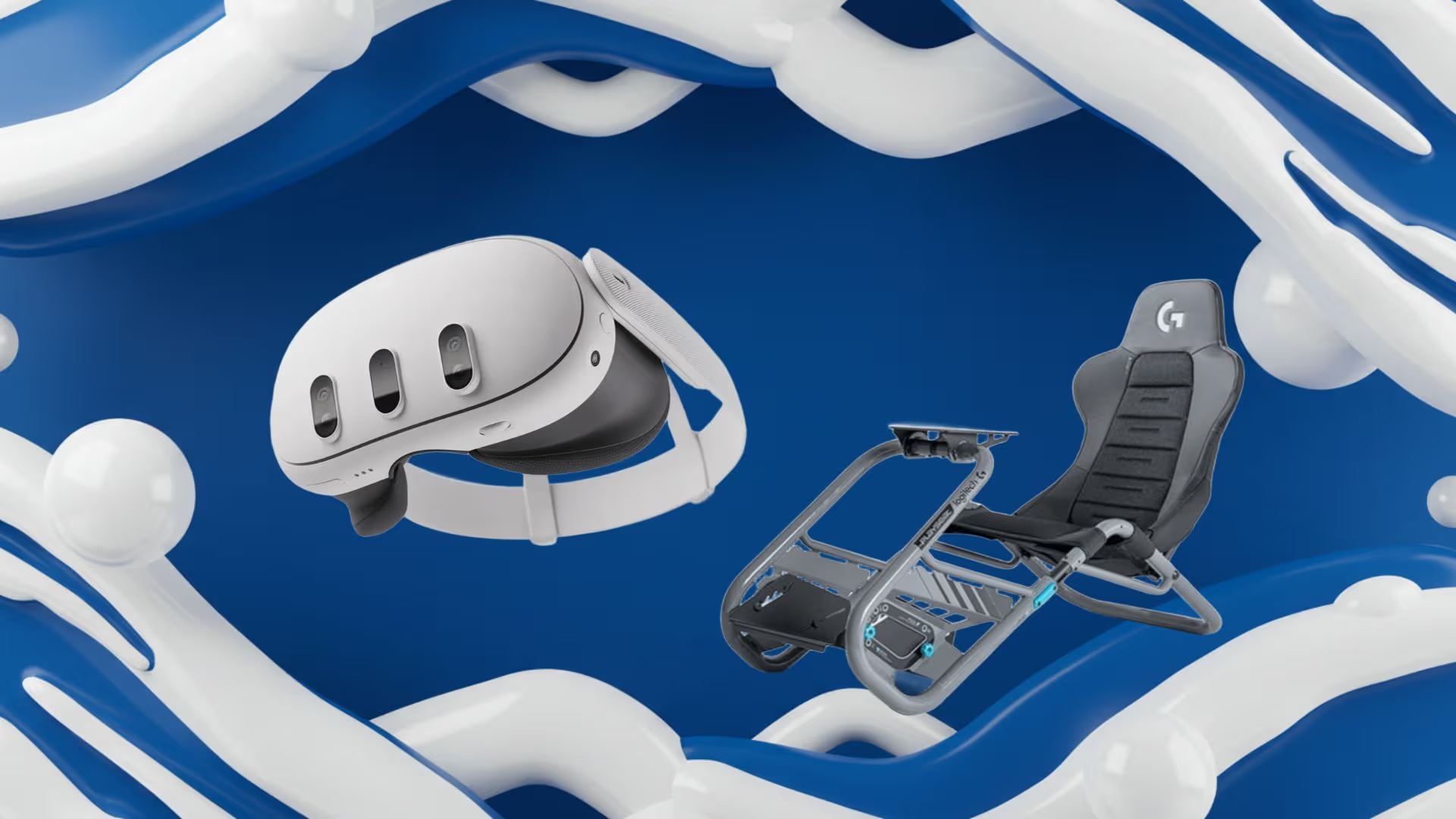
Optimizing Your Meta Quest 3 for Sim Racing Excellence
Enhance your sim racing experience with Meta Quest 3—step-by-step guide to calibration, hardware setup, and achieving peak performance.