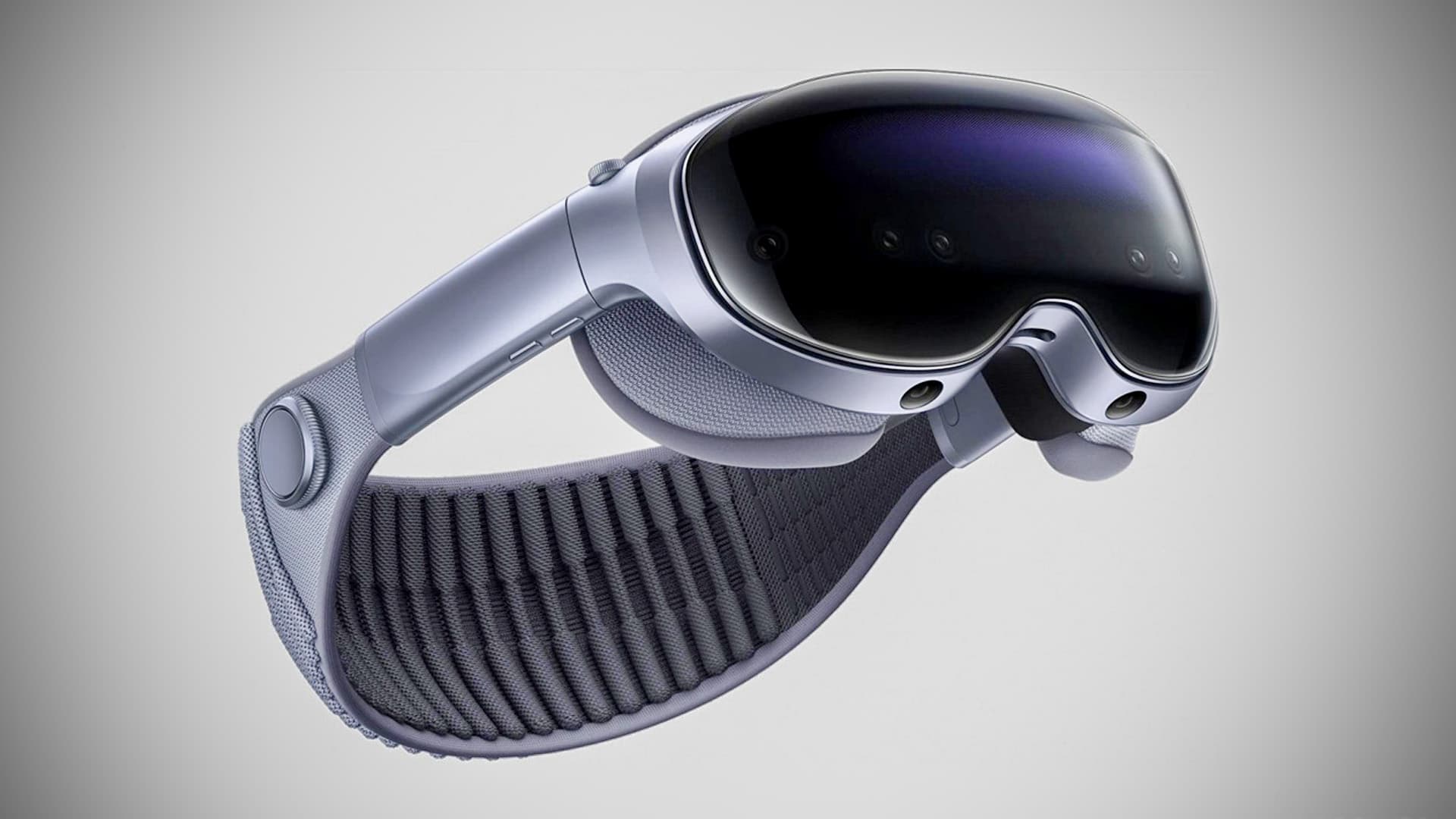
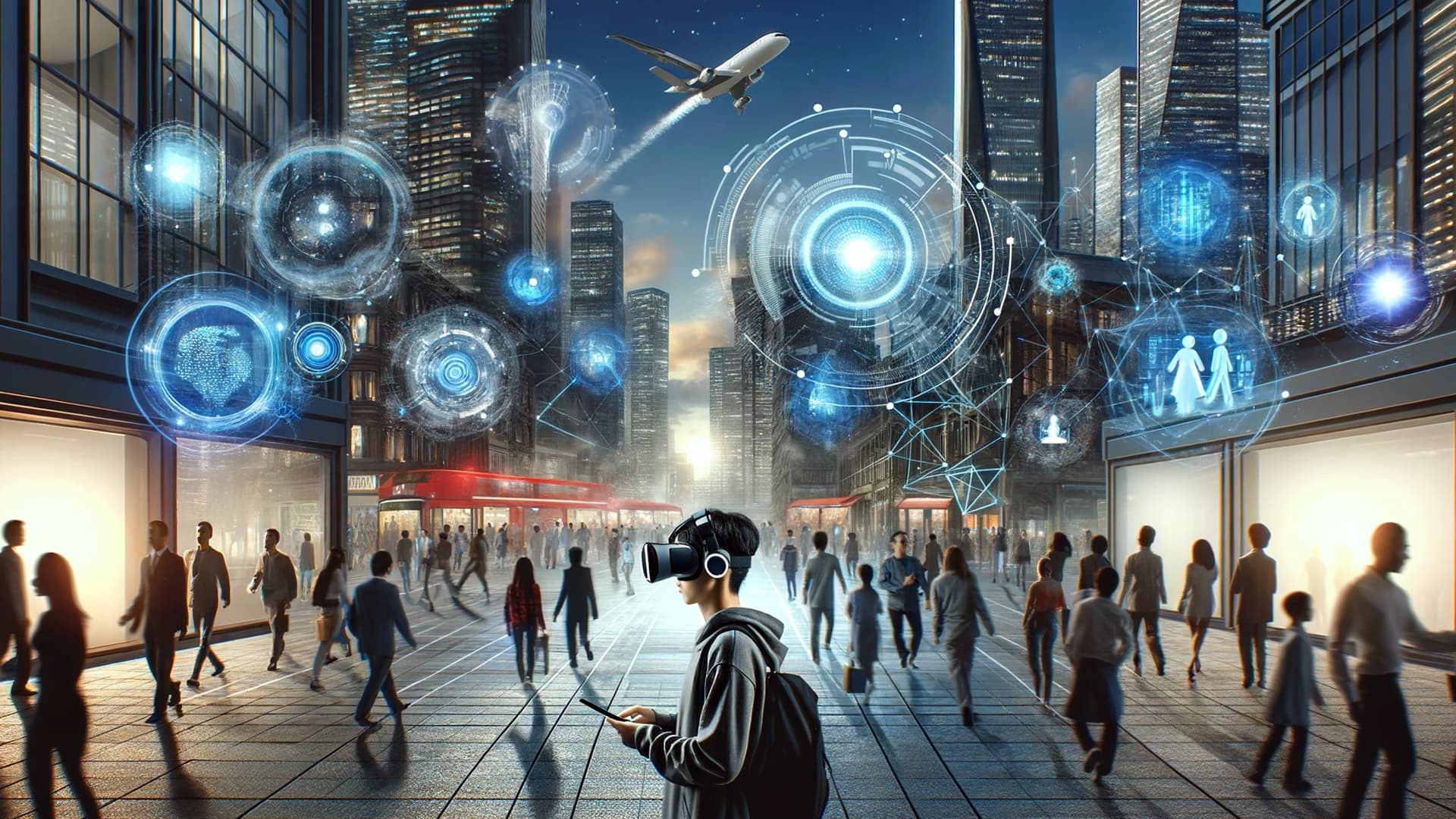
As we stand on the precipice of a new era in technological evolution, Virtual Reality (VR) emerges as a pivotal force in blurring the lines between the tangible world and the digital universe. This immersive technology, once the province of science fiction, is now weaving itself into the fabric of our daily lives, challenging our perceptions of reality and virtuality. As we look ahead, the next 30 years promise an odyssey into the depths of virtual realms, reshaping our experiences, interactions, and understanding of the world around us.
The Current State of Virtual Reality
Today, VR technology has advanced beyond rudimentary simulations, offering highly immersive experiences that engage our senses of sight, sound, and even touch. From virtual meetings and remote collaboration to digital tourism and enhanced education, VR is redefining the boundaries of experience. Yet, as transformative as these developments have been, they merely hint at the potential of VR to merge reality and virtuality into a seamless continuum.
The Vanishing Divide
The ongoing evolution of VR technology is steadily erasing the distinctions between the real and the virtual. Haptic feedback technologies, for instance, are enhancing physical sensations in virtual environments, allowing users to feel the texture, shape, and weight of digital objects. Advances in spatial audio are enriching auditory experiences, making sounds in virtual spaces as nuanced and directional as those in the physical world. Meanwhile, innovations in visual fidelity and interactivity are making virtual environments indistinguishable from reality.
The Next 30 Years: A Vision of the Future
As we project 30 years into the future, several key developments suggest a world where reality and virtuality are inextricably linked:
Hyper-realistic Virtual Environments
Future VR technologies will create environments so detailed and responsive that they mirror the complexity of the real world. Advances in computing power and graphics will render virtual spaces that are virtually indistinguishable from physical ones, complete with dynamic weather systems, intricate ecosystems, and interactive, lifelike characters.
Seamless Integration into Daily Life
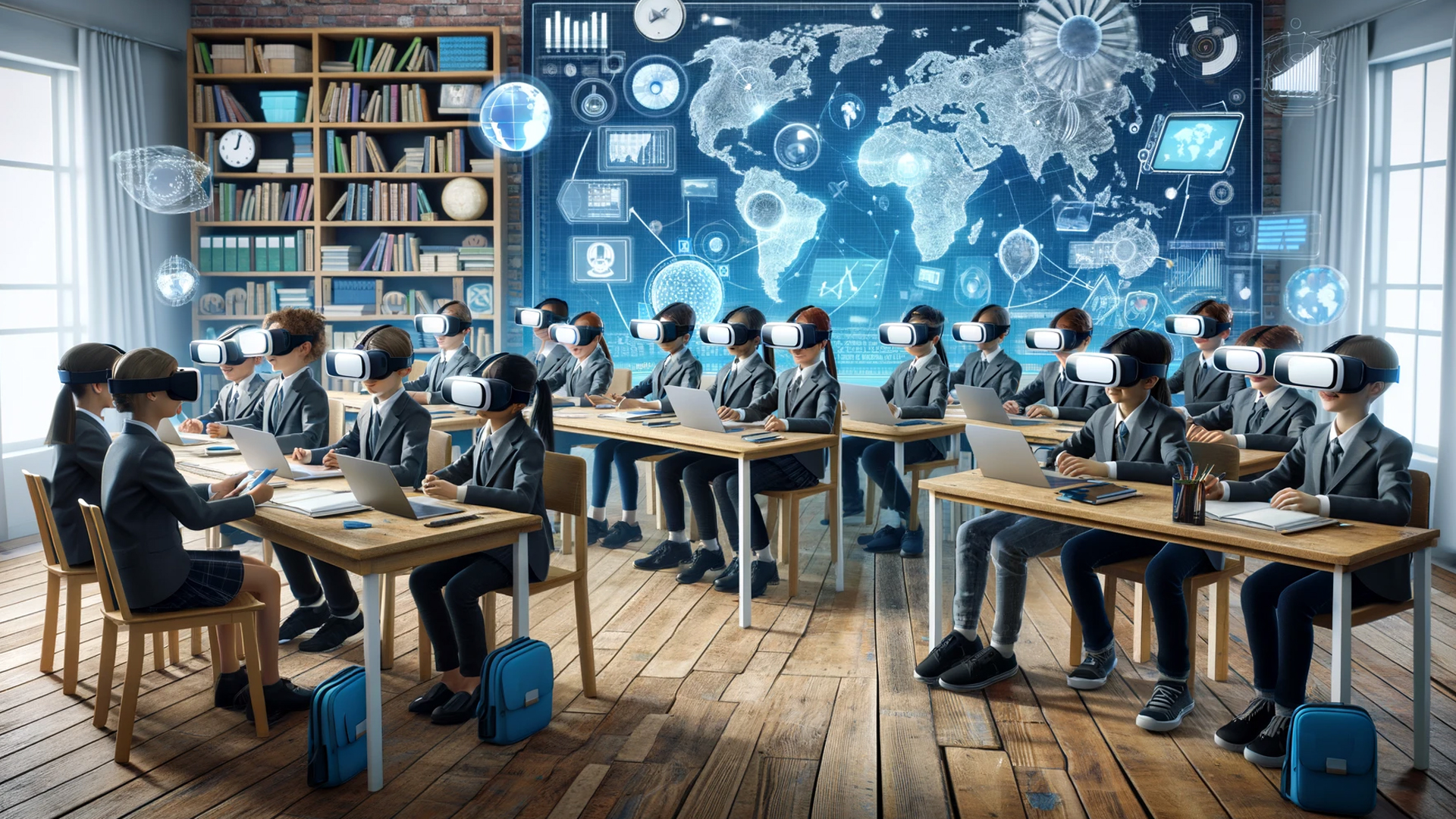
VR will become an integral part of everyday activities, from work and education to socializing and entertainment. Virtual workspaces will facilitate collaboration across continents, while VR education will offer immersive learning experiences that adapt to individual learning styles. Social VR platforms will enable more nuanced and expressive interactions, bridging geographical divides and creating new forms of community.
Enhanced Human Abilities
VR will extend human capabilities, allowing us to experience environments and scenarios that are inaccessible or too dangerous in the real world. Through virtual simulations, we’ll be able to explore the depths of the ocean, walk on distant planets, or experience historical events first-hand. This expansion of experiences will enrich human knowledge and empathy, opening new vistas of exploration and understanding.
Ethical and Philosophical Implications
As the line between reality and virtuality blurs, we’ll face new ethical and philosophical challenges. Questions about identity, authenticity, and what it means to live a meaningful life will become more pressing. The potential for VR to reshape our perceptions of reality will necessitate careful consideration of its impact on mental health, social relationships, and our conception of truth.
Embracing a Multifaceted Reality
The journey towards a world where reality and virtuality are intertwined is both exhilarating and daunting. As we navigate this uncharted territory, the choices we make will shape the future of VR and its role in society. By embracing the potential of VR while thoughtfully addressing its challenges, we can unlock new dimensions of human experience and creativity.
In the next 30 years, as VR technologies evolve and our worlds become ever more interconnected, the distinction between reality and virtuality may become a relic of the past. In its place, a new paradigm will emerge, one that celebrates the limitless potential of human imagination and innovation. In this future, VR will not only blur the lines between the real and the virtual but will also expand our understanding of what it means to be human in an increasingly digital age.
Protocol Architect
Gerald Ferreira
Leading the charge in spatial computing and immersive environments. Shaping the future of how Africa interacts with the digital world through cutting-edge VR and AR integration.
Related Vectors
Full HubMore From Virtual Reality

Adaptive VR Training: Using Physiological Feedback to Improve Learning & Safety
Revolutionize training with adaptive VR—utilizing heart rate, gaze, and stress indicators to personalize learning and enhance safety.

Civilization VII in VR for Meta Quest 3: Release Date, Pricing, and What to Expect
Explore Civilization VII in VR—launching April 10, 2025, for $60. Experience the strategy classic in immersive mixed reality.

Optimizing Your Meta Quest 3 for Sim Racing Excellence
Enhance your sim racing experience with Meta Quest 3—step-by-step guide to calibration, hardware setup, and achieving peak performance.