
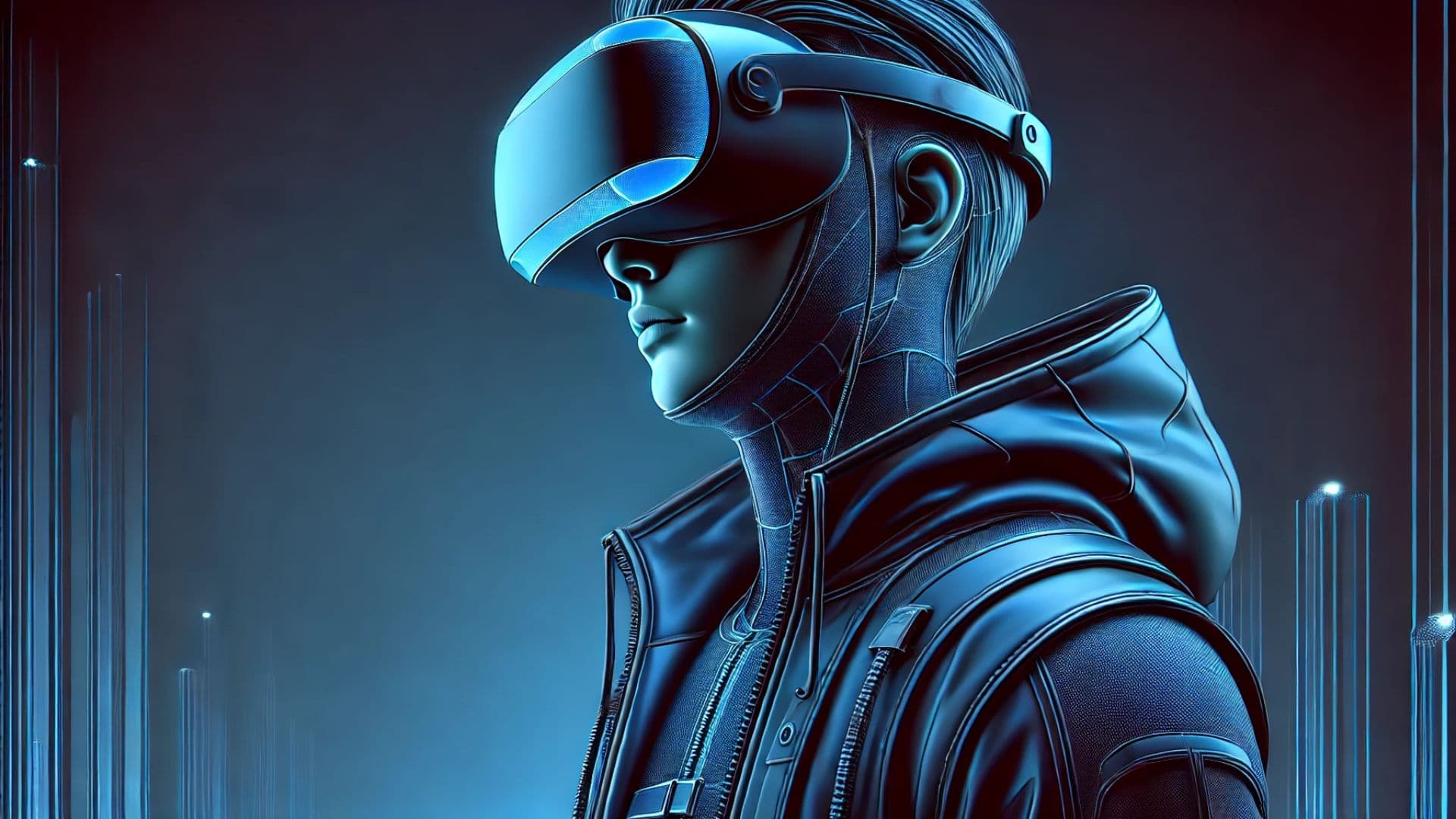
The advent of the digital age has ushered humanity into a realm where the distinctions between the physical and the virtual increasingly dissolve. The concept of the digital frontier has moved from speculative fiction to an ever-present reality. We are on the verge of a monumental shift, where virtual environments and digital constructs are becoming as central to our existence as the tangible world. This profound evolution has birthed a revolutionary concept—the Metaverse. As we navigate this new era, the Metaverse represents a transformative frontier, seamlessly integrating virtual experiences with our daily lives, redefining our interaction with both digital and physical realms.
Why the Metaverse Matters: Connecting Virtual and Real Worlds
The Metaverse's importance transcends simple novelty; it signifies a profound transformation in our modes of interaction, socialization, and perception of reality. By bridging the gap between virtual and physical realms, the Metaverse creates an expansive environment where experiences are liberated from traditional physical constraints. This seamless integration amplifies our capacity for collaboration, creativity, and innovation. As such, the Metaverse emerges as a crucial element of our digital future, redefining how we connect and engage in an increasingly interconnected world. Its ability to merge and enhance these realms marks a significant evolution in our digital landscape, shaping the way we will experience and interact with both virtual and real-world environments.
Key Concepts: VR, AR, MR, and the Metaverse
To fully comprehend the Metaverse, it is essential to delve into the core technologies that support it: Virtual Reality (VR), Augmented Reality (AR), and Mixed Reality (MR). VR transports users into fully immersive digital environments, creating a sense of presence in a completely virtual world. AR superimposes digital information onto the physical environment, enhancing our real-world experience with additional layers of data. MR combines elements of both VR and AR, enabling interactive experiences where digital and physical objects coexist and interact seamlessly. Collectively, these technologies converge to establish the Metaverse, a cohesive amalgamation of digital and physical realities, offering an integrated and immersive experience that blurs the boundaries between the two.
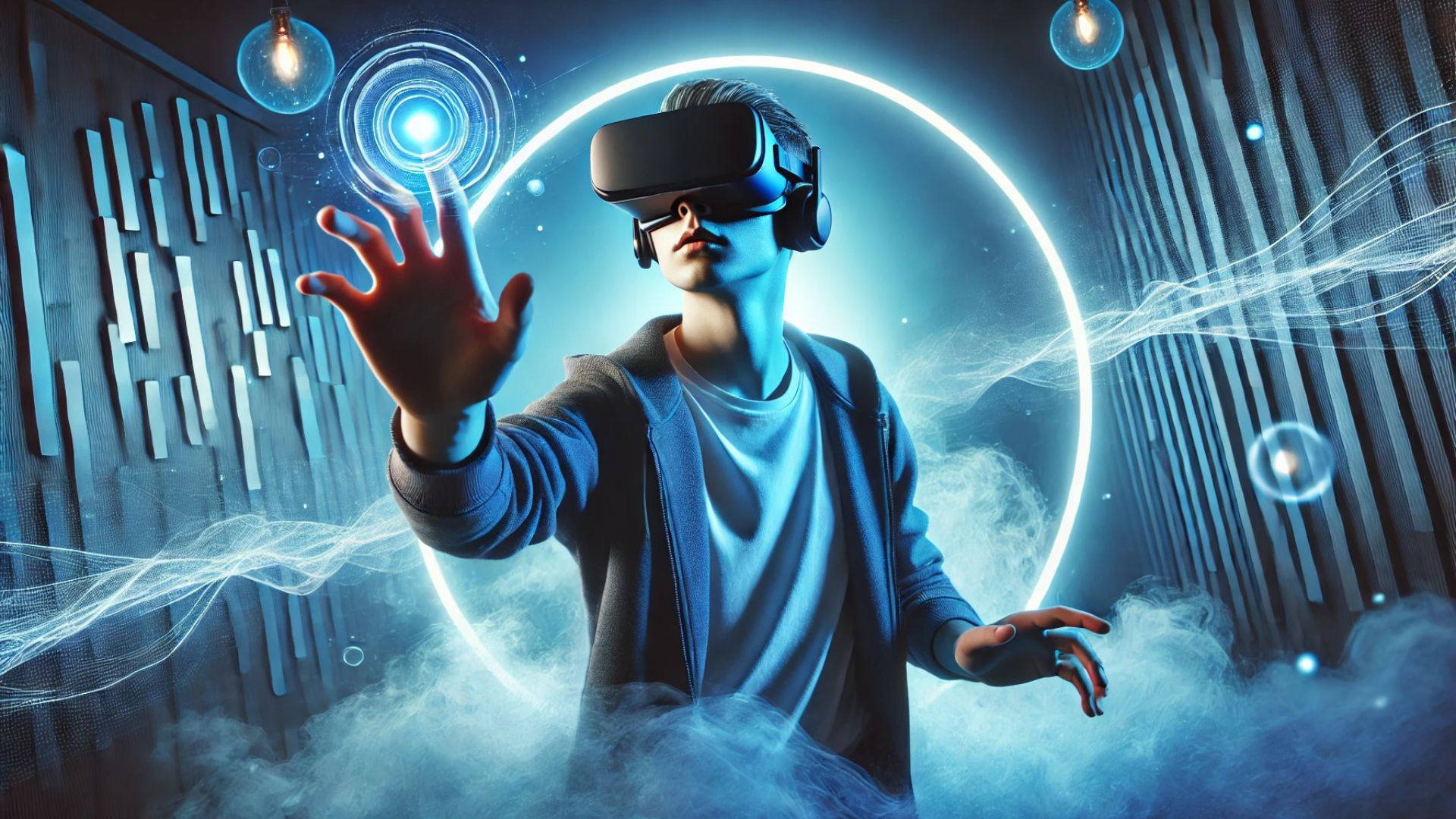
Understanding the Metaverse
What is the Metaverse? A Comprehensive Overview
The Metaverse represents a unified virtual expanse, formed by merging enhanced physical reality with enduring virtual environments. It consists of an extensive network of interconnected digital realms where users engage with both virtual content and one another in real-time. This digital universe can be accessed through a variety of devices, ranging from advanced VR headsets to standard computers, facilitating a broad spectrum of experiences. Within this digital cosmos, users can traverse different virtual spaces, interact with digital objects, and connect with others, creating a dynamic and immersive environment that bridges the gap between the physical and virtual worlds.
History of the Metaverse: From Sci-Fi to Reality
The Metaverse's origins are deeply embedded in science fiction, with seminal works such as Neal Stephenson's "Snow Crash" and the film "The Matrix" providing early visions of this concept. These creative explorations served as a foundation for the technological innovations that followed. Over time, advances in computing, networking, and digital content creation have transitioned the Metaverse from a speculative fantasy into a tangible and evolving reality. Much like how the imaginative visions of early science fiction set the stage for real-world technological breakthroughs, these early depictions have influenced the development of the Metaverse, transforming it into a complex and interactive digital universe that is now accessible and increasingly integrated into our daily lives.
Key Technologies Powering the Metaverse
The Metaverse is driven by several pivotal technologies. Blockchain plays a crucial role by providing a secure and transparent framework for transactions, ensuring trust and reliability within virtual spaces. Artificial Intelligence (AI) enhances the Metaverse by facilitating intelligent interactions and generating dynamic content, creating more engaging and responsive environments. The advent of 5G networks is instrumental, offering the high bandwidth and minimal latency required for smooth and immersive experiences. Furthermore, edge computing advances data processing by handling it closer to the user, which minimizes latency and boosts overall performance. Together, these technologies form the backbone of the Metaverse, enabling seamless, interactive, and immersive digital experiences.
Major Players: Companies and Innovators Shaping the Metaverse
Leading companies and innovators are driving the advancement of the Metaverse. Major tech corporations such as Meta (formerly Facebook), Google, and Microsoft are making substantial investments in VR, AR, and MR technologies. Their efforts are pivotal in shaping the Metaverse’s future, from developing sophisticated hardware to creating immersive software solutions. Concurrently, startups and independent developers are playing a crucial role in expanding the Metaverse’s horizons. These agile entities push technological boundaries, fostering innovation and diversity within virtual spaces. Their contributions enhance the Metaverse’s richness and inclusivity, ensuring that this digital universe evolves to accommodate a wide array of experiences and perspectives.
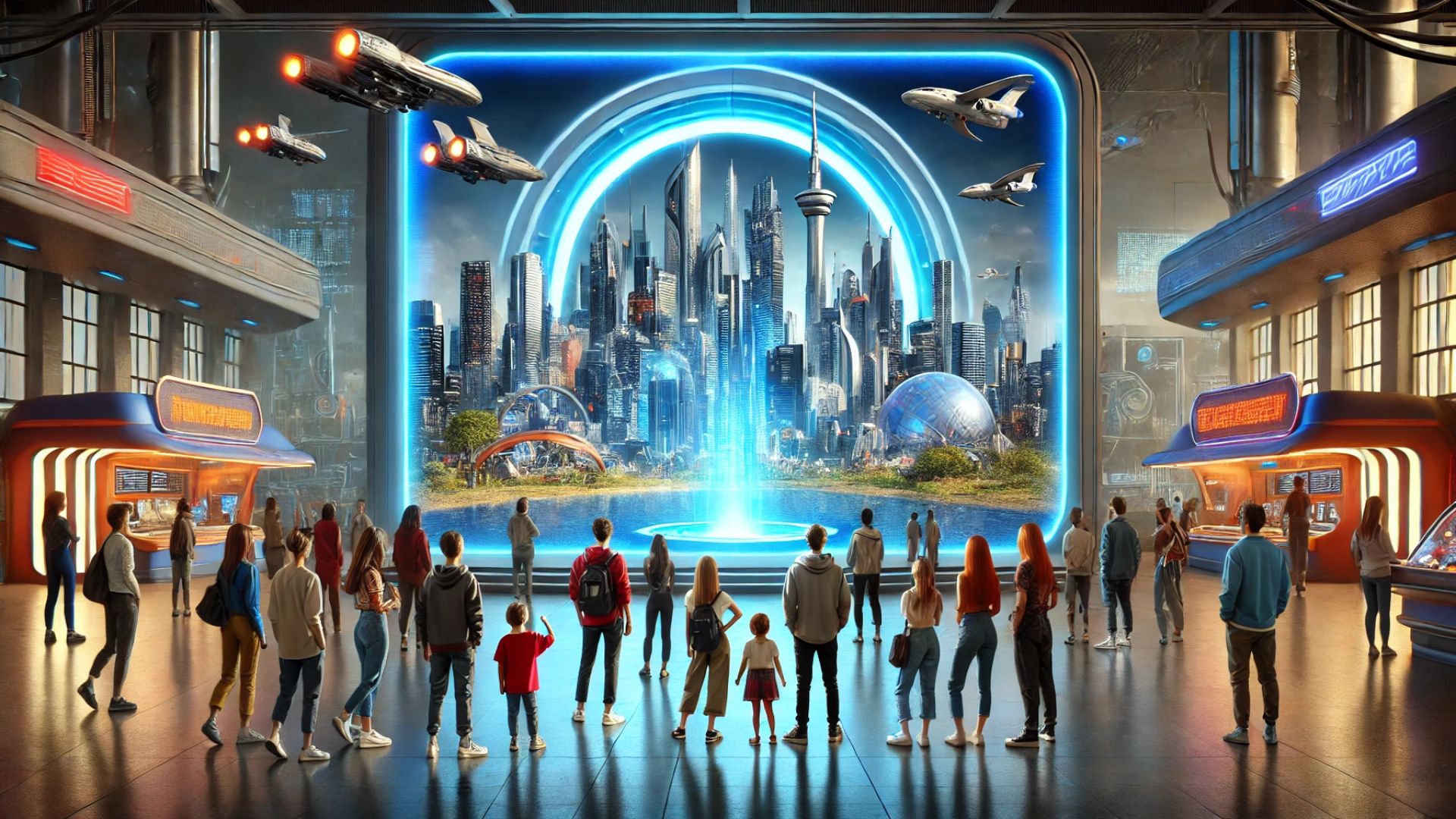
Virtual Worlds: How VR is Revolutionizing Interaction
Immersive Experiences: The Core of Virtual Reality
At the heart of Virtual Reality (VR) is its capacity to deliver deeply immersive experiences that transport users into entirely new realms. VR environments are crafted to be sensory-rich, engaging sight, sound, and sometimes even touch to evoke a strong sense of presence. Whether users are venturing through fantastical landscapes or experiencing highly realistic simulations of real-world settings, VR provides an unmatched level of depth and engagement. This immersive quality enables users to interact with and explore virtual worlds in ways that feel both vivid and authentic, making VR a powerful tool for both entertainment and practical applications.
VR Hardware: Headsets, Controllers, and Beyond
The hardware driving VR experiences is advancing swiftly, with significant improvements in both visual and interactive elements. Headsets such as the Oculus Rift, HTC Vive, and PlayStation VR offer high-fidelity visuals and spatial audio, immersing users in detailed and dynamic virtual environments. Controllers complement these headsets by providing intuitive and responsive ways to manipulate and interact with virtual objects. Emerging technologies are set to elevate the VR experience even further. Haptic feedback gloves enable users to feel tactile sensations within virtual worlds, enhancing the realism of interactions, while omnidirectional treadmills allow for natural movement in all directions, adding a new layer of immersion. These innovations collectively push the boundaries of VR, creating ever more compelling and engaging virtual experiences.
Popular VR Platforms and Applications
Numerous VR platforms have emerged, each catering to distinct interests and providing unique experiences. Platforms such as Oculus Home, SteamVR, and PlayStation VR stand out by offering extensive libraries of games, simulations, and social environments. These platforms facilitate a diverse range of applications, including educational tools, training simulations, virtual tourism, and immersive storytelling. The versatility of VR technology is evident in these varied applications, demonstrating its capability to adapt to different needs and preferences. Whether for learning, entertainment, or exploration, these platforms highlight the breadth of possibilities within the VR landscape, making it a dynamic and multifaceted technology.
The Social Side of VR: Meeting and Interacting in Virtual Spaces
VR extends beyond solitary experiences, serving as a potent social tool as well. Virtual social platforms such as VRChat and AltspaceVR provide spaces where users can meet, interact, and collaborate within shared virtual environments. These platforms cultivate a sense of community and presence, allowing individuals to connect and engage in ways that transcend geographical constraints. Through virtual gatherings, events, and social activities, users can build relationships, participate in collaborative projects, and enjoy immersive social interactions, all within the expansive realm of VR. This social dimension enhances the Metaverse’s potential, bridging distances and fostering connections in a digitally interconnected world.
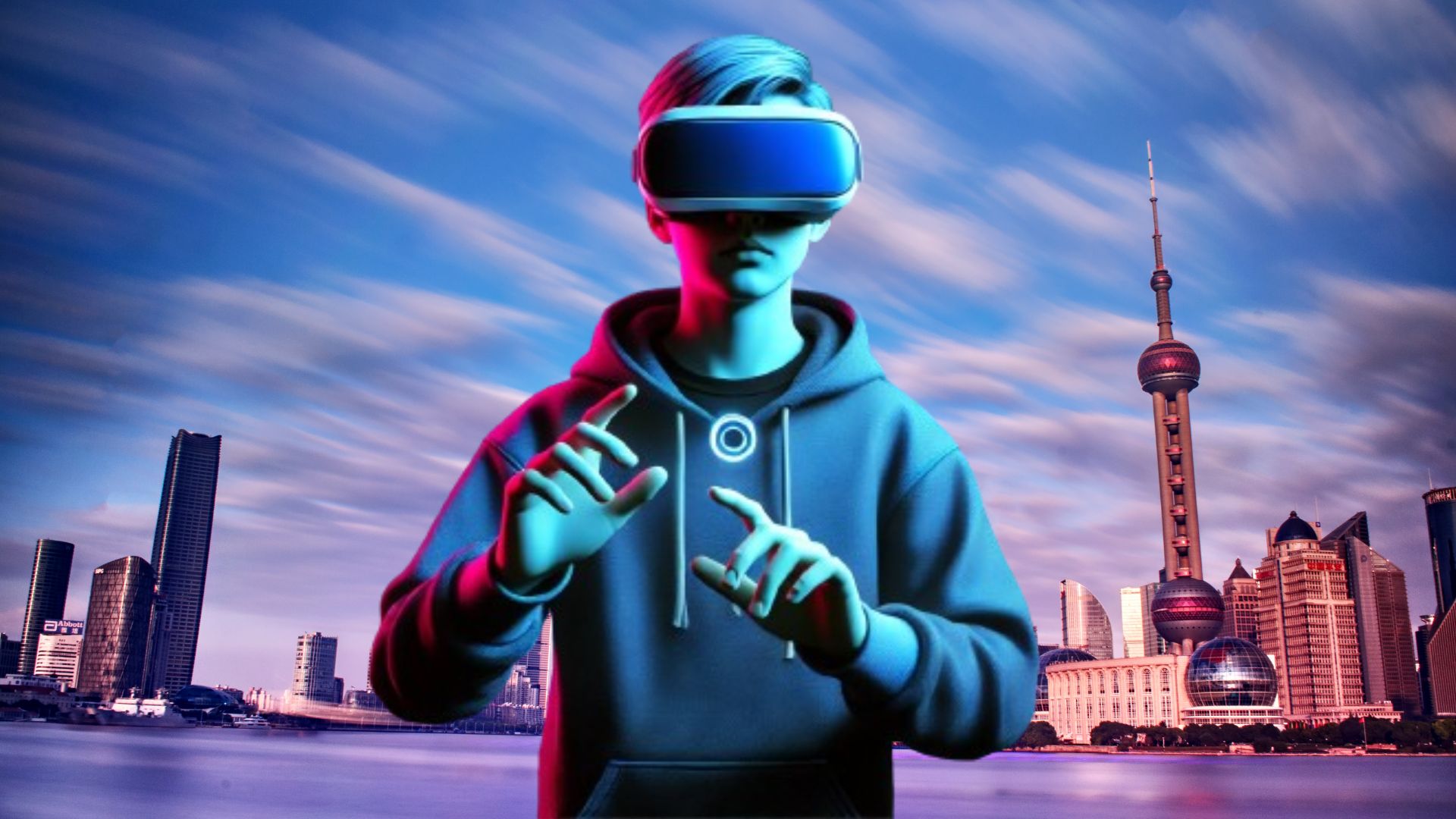
Augmented Reality: Enhancing the Real World
What is AR? Bridging Digital and Physical
Augmented Reality (AR) enriches the real world by superimposing digital information onto the physical environment. Unlike Virtual Reality (VR), which immerses users in entirely separate virtual worlds, AR seamlessly integrates digital content with real-world elements. This fusion creates interactive experiences that enhance our perception of and interaction with our surroundings. By overlaying useful data, graphics, or other digital elements onto the real world, AR opens up new possibilities for engaging with our environment in innovative ways. This integration of digital and physical realms not only augments the user's experience but also offers practical applications across various fields, from navigation and education to entertainment and retail.
AR Devices: From Smartphones to Smart Glasses
AR experiences are accessible through a diverse range of devices. Smartphones and tablets, equipped with high-resolution cameras and sophisticated sensors, provide portable and user-friendly platforms for AR applications. These devices enable users to engage with digital content overlaying their real-world view easily. Additionally, smart glasses such as Microsoft’s HoloLens and Google Glass offer hands-free AR experiences. These wearables integrate digital information directly into the user’s field of vision, allowing for continuous interaction with virtual elements while maintaining full awareness of the physical environment. This hands-free capability enhances the utility of AR in various contexts, from professional applications to everyday tasks, expanding the scope of how digital and physical worlds can seamlessly coexist.
Real-World Applications of AR: From Gaming to Navigation
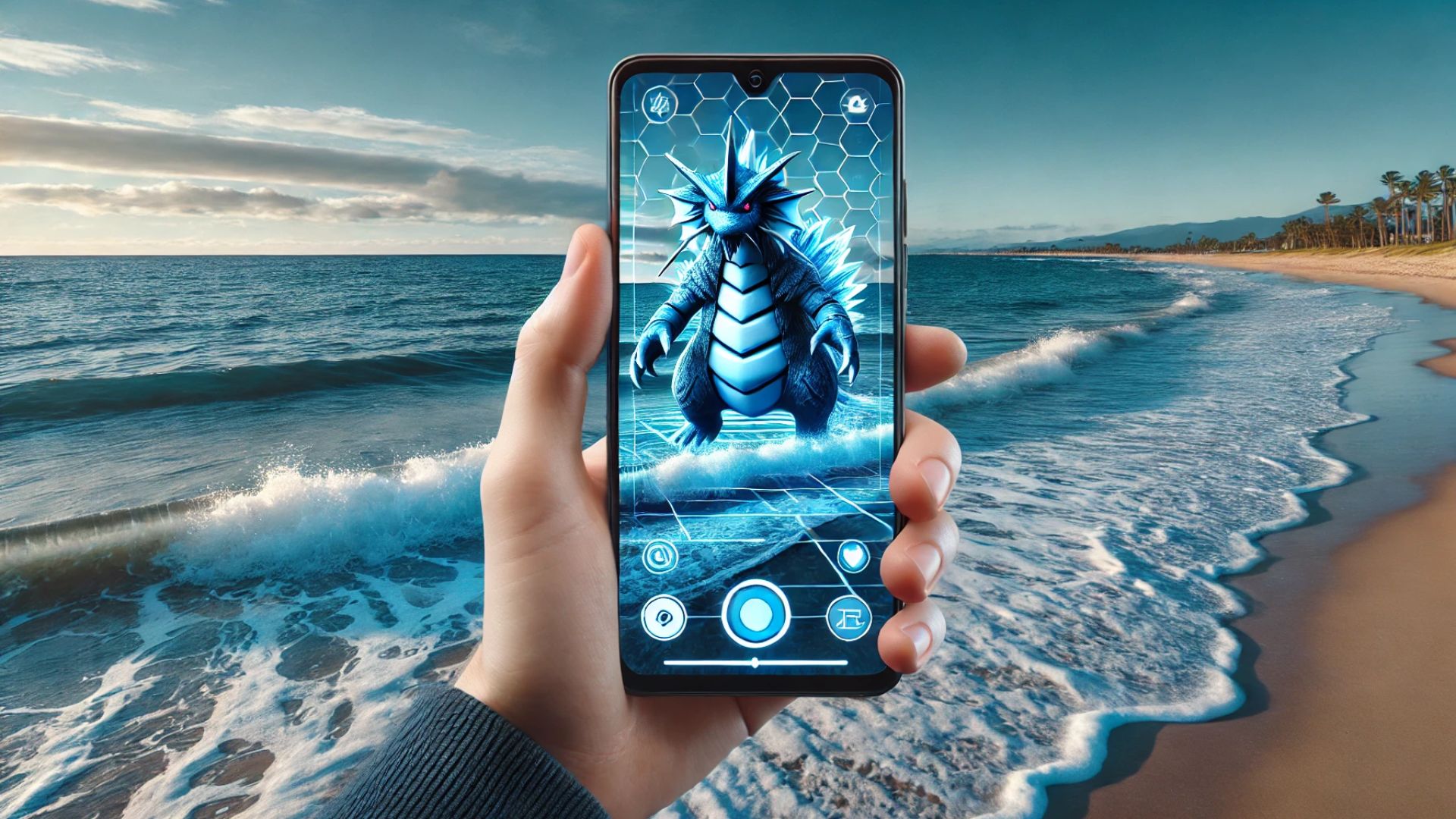
AR's applications span a wide array of fields, showcasing its versatility and impact. In gaming, AR titles such as Pokémon GO have captivated millions by integrating gameplay with real-world environments, creating an engaging and interactive experience. In navigation, AR enhances GPS systems with real-time overlays, simplifying route following and destination identification. Retail benefits from AR through virtual try-ons, allowing customers to visualize products before purchasing. In education, AR facilitates interactive learning experiences, bringing complex concepts to life through immersive visualizations. In healthcare, AR provides invaluable support, offering surgical guidance and enhancing precision during operations. These diverse applications highlight AR’s potential to transform various industries by bridging the digital and physical worlds in innovative ways.
The Future of AR: Trends and Predictions
The future of Augmented Reality (AR) is set for remarkable growth and innovation. Emerging advancements in hardware, such as the development of lighter, more powerful smart glasses, promise to enhance user experiences by making AR more comfortable and effective. Concurrently, software advancements—including more advanced AR algorithms and deeper integration with Artificial Intelligence (AI)—will enable richer, more intuitive interactions. These technological improvements will facilitate increasingly complex and contextually aware AR applications. As AR continues to evolve, its integration into everyday life is expected to become increasingly seamless and pervasive, transforming how we interact with our environment and access information. This evolution will drive AR from a novelty to a fundamental aspect of daily experiences, offering enhanced functionality and engagement.
Mixed Reality: The Best of Both Worlds
Defining Mixed Reality: Where VR and AR Meet
Mixed Reality (MR) merges elements of both Virtual Reality (VR) and Augmented Reality (AR), crafting environments where digital and physical objects coexist and interact seamlessly in real-time. This integration of virtual and real worlds allows for highly interactive and immersive experiences, enabling users to engage with digital elements as though they were tangible components of their physical surroundings. By blending these realities, MR facilitates advanced interaction and manipulation of digital objects within a real-world context. As the next step in the evolution of immersive technologies, MR extends the boundaries of what is possible, offering new dimensions of engagement and application across various fields, from gaming and training to design and industry.
MR Hardware: HoloLens and Other Cutting-Edge Devices
Mixed Reality (MR) experiences are enabled by cutting-edge hardware such as Microsoft’s HoloLens and Magic Leap. These devices utilize advanced sensors and processors to accurately map physical environments and seamlessly overlay digital content with precise spatial awareness. This sophisticated technology allows for natural and intuitive interactions, where digital elements are anchored to physical objects and spaces. The result is an immersive experience where users can interact with virtual objects as if they were part of the real world. This advanced capability makes MR an invaluable tool across a wide range of applications, from professional training and design to collaborative work and interactive entertainment.
Practical Uses of MR: Industry, Education, and More
Mixed Reality (MR) offers practical applications across a diverse array of industries. In manufacturing, MR enhances complex assembly processes by overlaying detailed, step-by-step instructions directly onto machinery, facilitating precision and efficiency. In education, MR creates interactive and immersive learning environments, making subjects more engaging by bringing abstract concepts to life in a tangible way. Architectural visualization benefits from MR by allowing designers and clients to explore and manipulate building designs in a simulated real-world context. In medical training, MR provides realistic simulations for surgical procedures and patient care, improving hands-on learning. Additionally, MR supports remote collaboration by enabling team members to interact with shared digital content within a physical space, bridging distances and enhancing teamwork.
The Evolution of MR: What’s Next?
The evolution of Mixed Reality (MR) is characterized by ongoing advancements in both hardware and software. Future MR devices are expected to become more compact and user-friendly, with improved ergonomics and ease of use. Concurrently, enhancements in Artificial Intelligence (AI) and machine learning will drive more sophisticated interactions and enable advanced content creation, making MR experiences more intuitive and dynamic. As MR technology progresses, it will unlock new possibilities for deepening our understanding and interaction with our surroundings, offering richer, more immersive experiences that blend digital and physical realities seamlessly. This continual evolution promises to expand the scope of MR applications, revolutionizing how we perceive and engage with the world.
The Impact of the Metaverse on Society
Changing the Way We Work: Remote Collaboration and Virtual Offices
The Metaverse is revolutionizing the workplace by facilitating remote collaboration and virtual offices. In these virtual environments, teams can interact and work together as if they were in the same physical space, regardless of their actual locations. This transformation boosts productivity by enabling seamless communication and coordination across distances. Additionally, it fosters global collaboration by eliminating geographical barriers, allowing teams from diverse backgrounds to come together in innovative ways. As a result, the Metaverse creates new opportunities for cross-border partnerships and enhances the potential for creativity and problem-solving in the modern workforce.
Education in the Metaverse: Interactive Learning Environments
Education is undergoing a profound transformation with the advent of the Metaverse, which introduces interactive and immersive learning environments. Virtual classrooms and laboratories offer students hands-on experiences that traditional settings cannot provide. These virtual spaces allow learners to engage directly with complex concepts, conduct experiments, and explore simulations in a dynamic, interactive manner. This immersive approach not only enhances student engagement but also improves retention by making learning more engaging and enjoyable. The Metaverse’s capacity to create realistic and adaptable educational experiences represents a significant advancement in how knowledge is imparted and absorbed, making education more effective and accessible.
Entertainment Revolution: Gaming, Movies, and Concerts in Virtual Spaces
The entertainment industry is undergoing a dramatic transformation thanks to the Metaverse. Virtual gaming worlds offer expansive, immersive environments where players can explore, interact, and engage in unprecedented ways. Virtual reality movies are pushing the boundaries of storytelling, delivering new levels of narrative immersion and engagement. Additionally, virtual concerts and events enable artists to connect with audiences in novel ways, breaking traditional constraints of space and geography. These virtual experiences create unique, memorable interactions that enhance audience connection and enjoyment, reshaping how entertainment is produced and consumed in the digital age.
Ethical Considerations: Privacy, Security, and Digital Wellbeing
As the Metaverse continues to grow, addressing ethical considerations becomes crucial. Privacy and security are paramount, as safeguarding users’ data and identities is essential to maintaining trust and safety within these digital spaces. Furthermore, the effects of prolonged virtual experiences on mental and physical well-being need careful evaluation. Ensuring that the Metaverse fosters healthy and balanced interactions involves monitoring and mitigating potential risks such as digital addiction, social isolation, and physical health issues. By proactively addressing these concerns, the Metaverse can promote a responsible and positive digital environment that supports users' overall well-being.
Recap: The Metaverse as a Bridge Between Worlds
The Metaverse embodies a bridge between the virtual and real worlds, unlocking unparalleled opportunities for interaction, creation, and innovation. It stands as a testament to human ingenuity and the unyielding drive for progress. By seamlessly blending digital and physical realms, the Metaverse enables new forms of engagement and collaboration that were once the realm of imagination. Its development highlights our capacity to transform ideas into groundbreaking realities, reflecting the relentless pursuit of technological advancement and the quest to expand the boundaries of human experience.
Looking Forward: The Future of the Metaverse
The future of the Metaverse is promising, driven by ongoing technological advancements and growing adoption across diverse sectors. As it continues to evolve, the Metaverse is poised to become increasingly intertwined with our daily lives. It will revolutionize how we work, offering new methods for remote collaboration and virtual offices. In education, it will provide immersive learning environments that enhance engagement and understanding. For entertainment, it will create innovative experiences that transform how we play and interact. This progressive integration will redefine our interaction with the world, making the Metaverse an integral part of our everyday activities.
Related Vectors
Full HubMore From Virtual Reality

Adaptive VR Training: Using Physiological Feedback to Improve Learning & Safety
Revolutionize training with adaptive VR—utilizing heart rate, gaze, and stress indicators to personalize learning and enhance safety.

Civilization VII in VR for Meta Quest 3: Release Date, Pricing, and What to Expect
Explore Civilization VII in VR—launching April 10, 2025, for $60. Experience the strategy classic in immersive mixed reality.

Optimizing Your Meta Quest 3 for Sim Racing Excellence
Enhance your sim racing experience with Meta Quest 3—step-by-step guide to calibration, hardware setup, and achieving peak performance.