
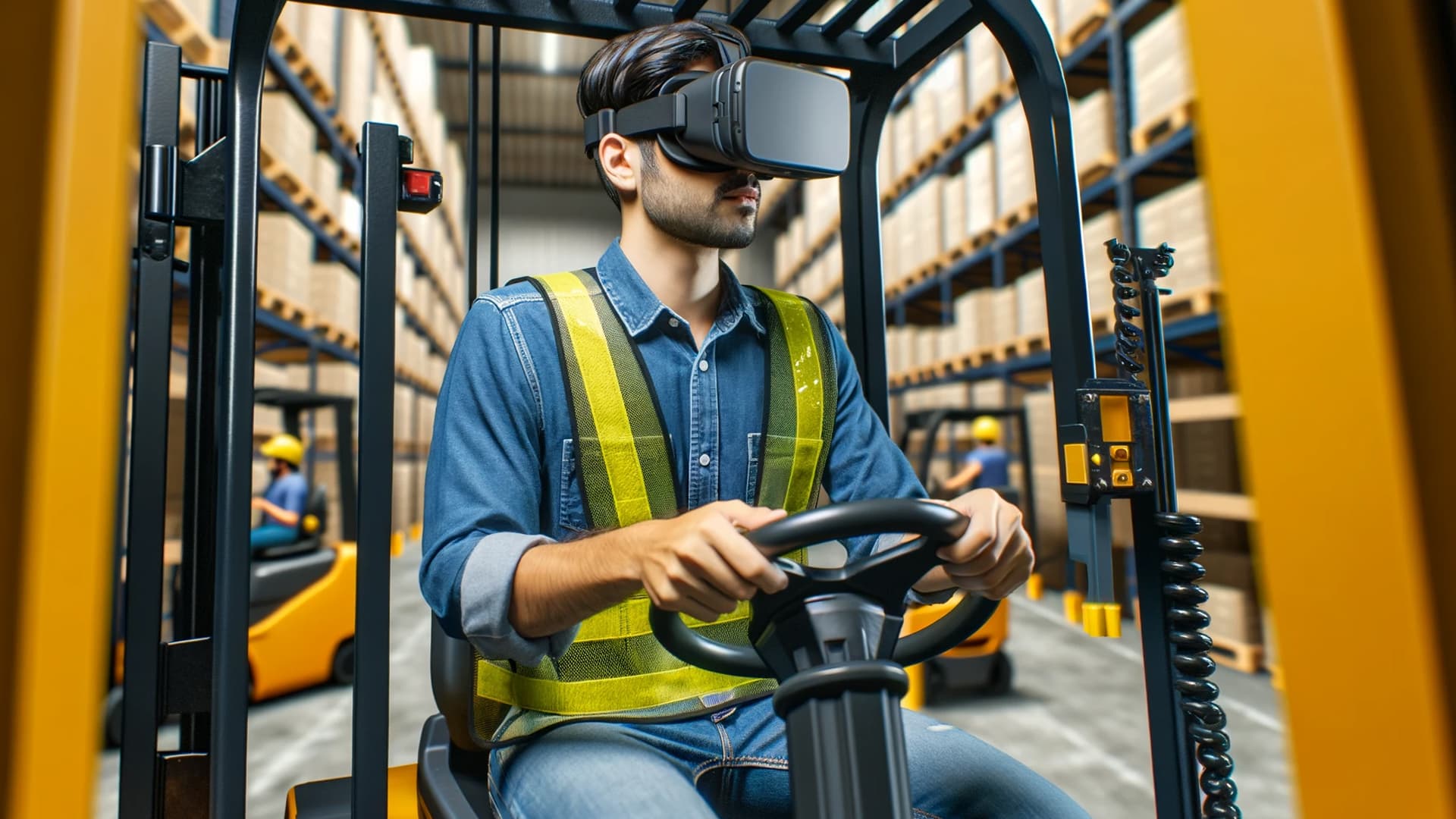
Elevating Safety Standards: The Role of Virtual Reality in Forklift Safety Training In the realm of industrial operations, forklift safety stands as a paramount concern, directly impacting the wellbeing of employees and the efficiency of logistical processes. Traditional training methods, while foundational, often fall short in preparing operators for the unpredictable dynamics of real-world scenarios. Enter Virtual Reality (VR), a transformative technology poised to redefine forklift safety training. This article explores how VR is being harnessed to elevate safety standards, mitigate risks, and foster a culture of safety within the workforce.
The Limitations of Conventional Training
Traditional forklift training methods typically involve classroom instruction, written materials, and supervised hands-on practice. While essential, these approaches can be limited by their inability to simulate complex or hazardous scenarios safely. Trainees may understand the theory but lack the practical experience to react appropriately in high-pressure situations, leading to potential accidents and injuries.
Immersive Learning with Virtual Reality
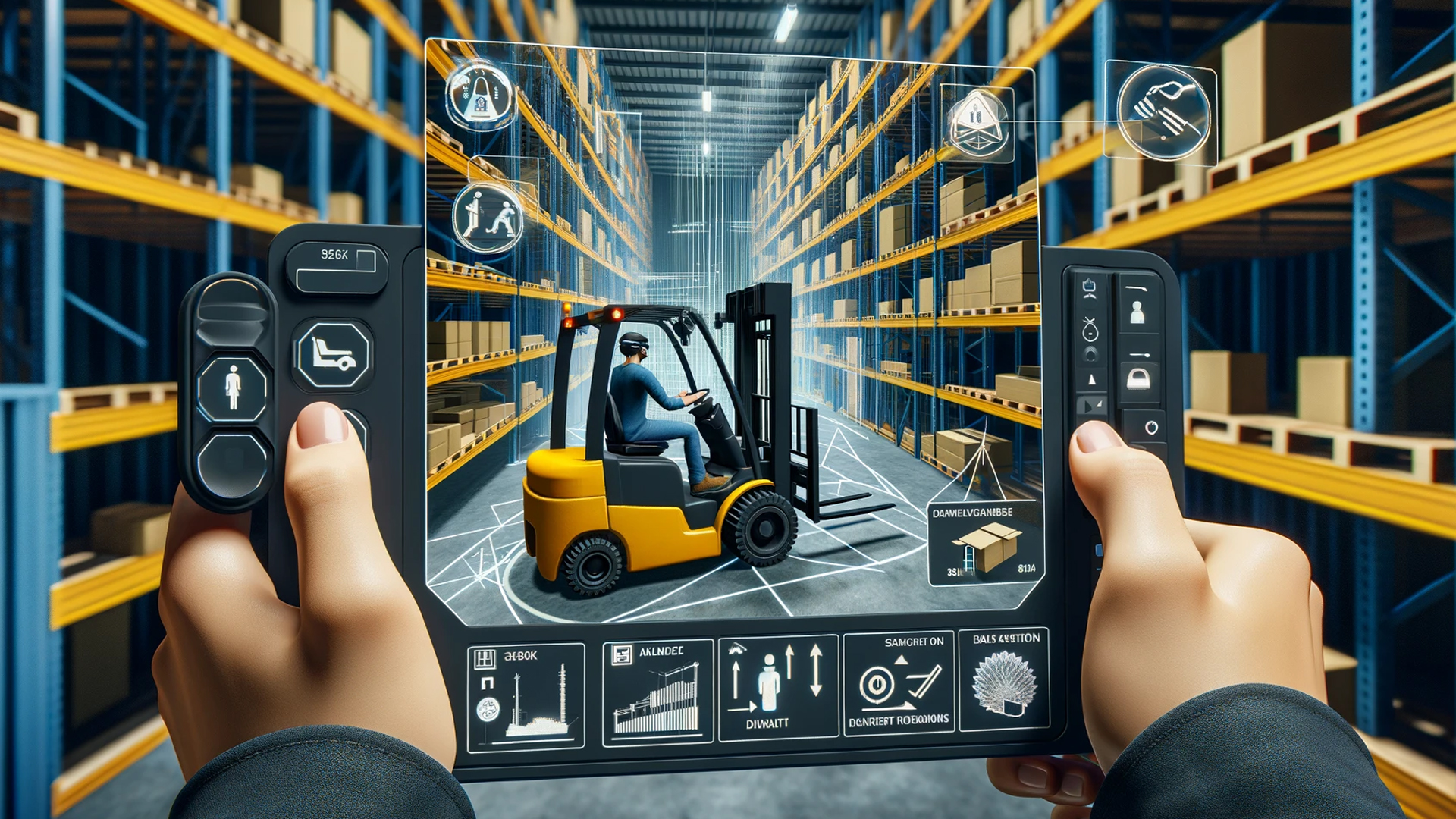
Virtual Reality offers a solution to these limitations by immersing operators in a controlled, interactive 3D environment that closely mimics real-life situations. VR training programs for forklift operation can simulate a wide range of conditions — from warehouse navigation and load handling to emergency response and pedestrian interactions. This immersive experience enables operators to practice and master their skills without the risks associated with physical training.
Advantages of VR in Forklift Safety Training
Risk-Free Environment: VR allows trainees to experience hazardous scenarios and learn from mistakes without the danger of real-life accidents. This safe, controlled setting reduces the potential for injuries and property damage during the training phase.
Enhanced Engagement and Retention: The immersive nature of VR training increases engagement levels among learners, leading to better retention of safety protocols and operational procedures. VR’s interactive environment keeps trainees focused and motivated, improving overall learning outcomes.
Customizable and Scalable Training Scenarios: VR applications can be tailored to address specific training needs, including the simulation of unique workplace environments and challenges. This customization ensures that training is relevant and directly applicable to the operator’s daily tasks. Additionally, VR programs can be easily scaled and updated as technology advances or safety standards evolve.
Real-Time Feedback and Assessment: VR training platforms can provide immediate feedback to trainees, allowing them to correct mistakes and refine their techniques in real-time. This instant feedback loop accelerates the learning process and ensures that operators achieve a high proficiency level before handling actual forklift operations.
Cost-Effectiveness Over Time: While the initial investment in VR training may be higher than traditional methods, the long-term benefits — including reduced accident rates, lower insurance costs, and improved operational efficiency — can outweigh these upfront costs. Furthermore, VR equipment is becoming increasingly affordable, making this technology accessible to a broader range of businesses.
Looking Ahead: The Future of VR in Workplace Safety
As VR technology continues to advance, its applications in workplace safety training are expected to expand and evolve. Beyond forklift operation, VR has the potential to revolutionize training for various high-risk occupations, offering a versatile tool for enhancing safety and competency across industries.
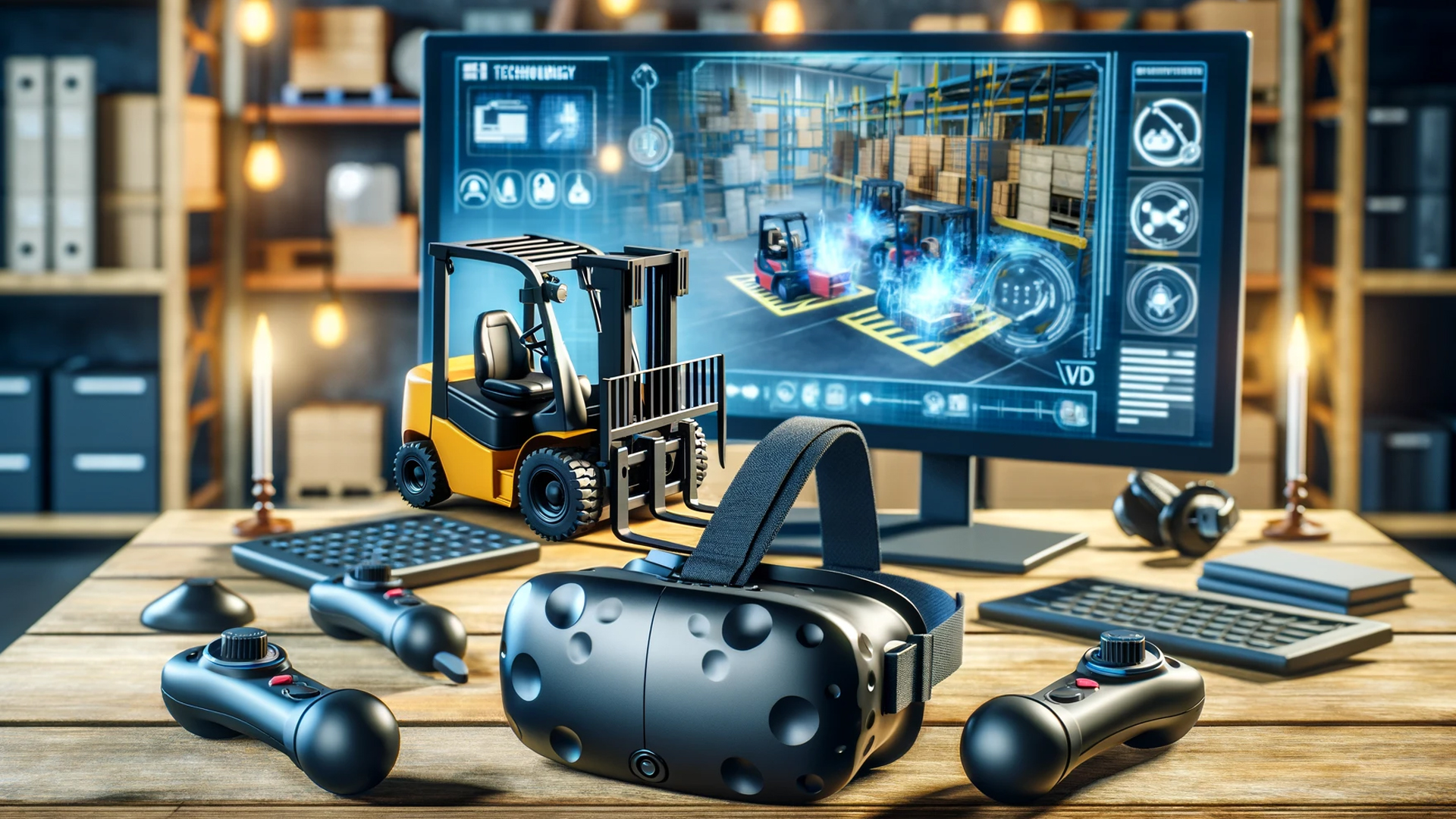
The integration of Virtual Reality into forklift safety training represents a significant step forward in occupational safety and efficiency. By offering a risk-free platform for immersive learning, VR technology addresses the critical need for practical, hands-on experience in forklift operation. As businesses continue to adopt VR training solutions, we can anticipate a future where workplace accidents are significantly reduced, and a culture of safety is firmly entrenched within the workforce. Embracing VR in safety training not only protects employees but also supports the operational goals of businesses, marking a win-win advancement in industrial safety practices.
Related Vectors
Full HubMore From Virtual Reality

Adaptive VR Training: Using Physiological Feedback to Improve Learning & Safety
Revolutionize training with adaptive VR—utilizing heart rate, gaze, and stress indicators to personalize learning and enhance safety.

Civilization VII in VR for Meta Quest 3: Release Date, Pricing, and What to Expect
Explore Civilization VII in VR—launching April 10, 2025, for $60. Experience the strategy classic in immersive mixed reality.

Optimizing Your Meta Quest 3 for Sim Racing Excellence
Enhance your sim racing experience with Meta Quest 3—step-by-step guide to calibration, hardware setup, and achieving peak performance.