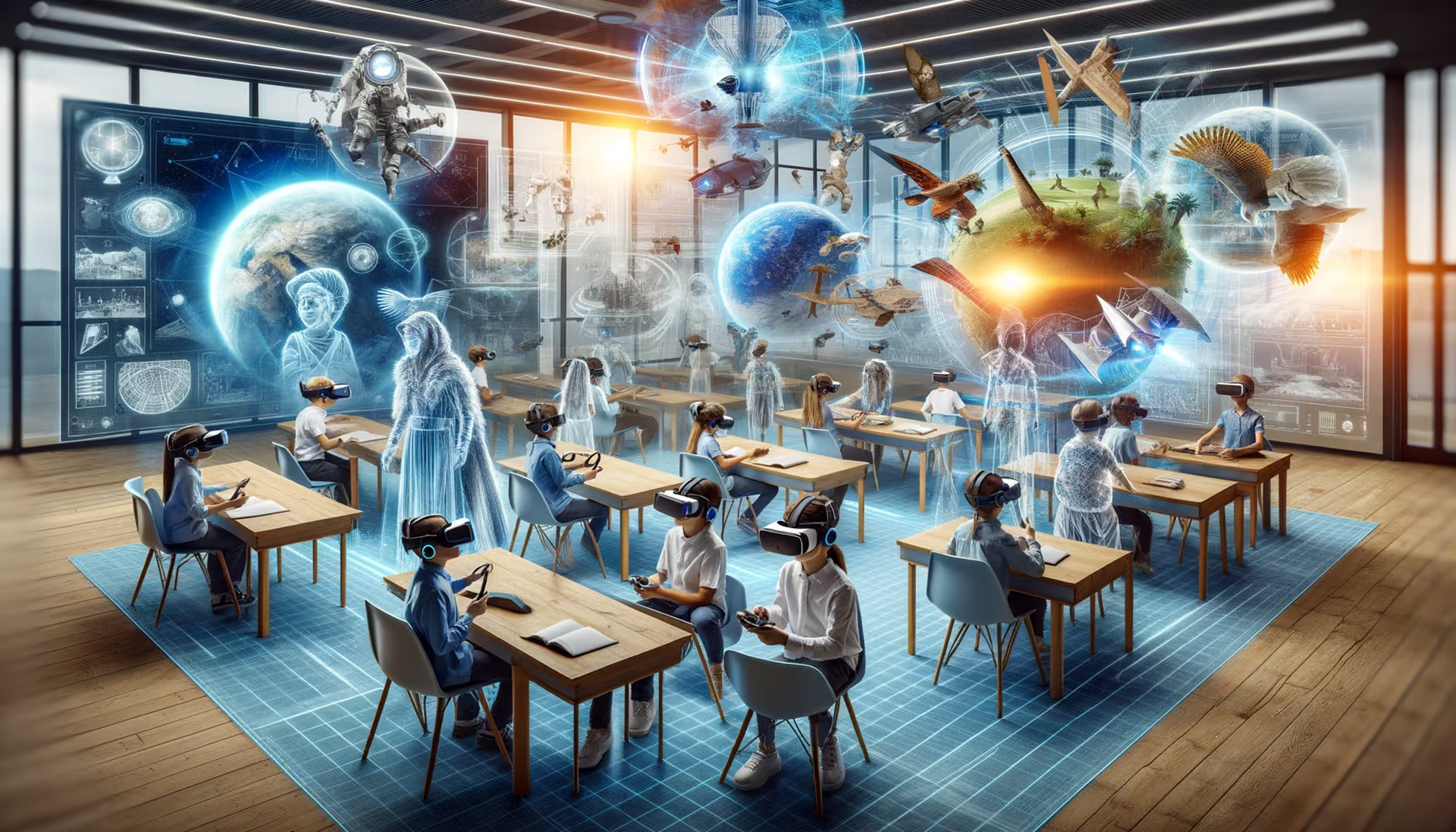
Imagine stepping into a world where the impossible becomes possible, where you can travel to distant planets, dive into the depths of the ocean, or even walk with dinosaurs, all from the comfort of your home. This is the magic of Virtual Reality (VR). To a high school student, VR might seem like a fun gaming tool, but it's much more than that. VR is an innovative technology that is blurring the lines between different realities, reshaping how we perceive and interact with the world around us. The Basics of Virtual Reality Before diving into the complexities, let's understand what Virtual Reality is. VR is a computer-generated environment that creates a simulated experience. It can be similar to or completely different from the real world. Using VR headsets, like the Oculus Rift or HTC Vive, users can be transported into a three-dimensional, interactive world. It's not just about what you see; it's about what you feel. With controllers and sensory feedback devices, VR lets you move, touch, and even hear this virtual environment, making the experience incredibly immersive. Virtual Reality in Gaming and Beyond The most common association with Virtual Reality is gaming. VR games like Beat Saber or Half-Life: Alyx have changed the gaming landscape, offering an immersive experience that traditional console games can't match. However, the use of VR goes beyond entertainment. In education, VR is used to create interactive learning experiences, making subjects like history and science more engaging. Imagine learning about the solar system by actually 'visiting' each planet, or understanding history by 'participating' in historical events.
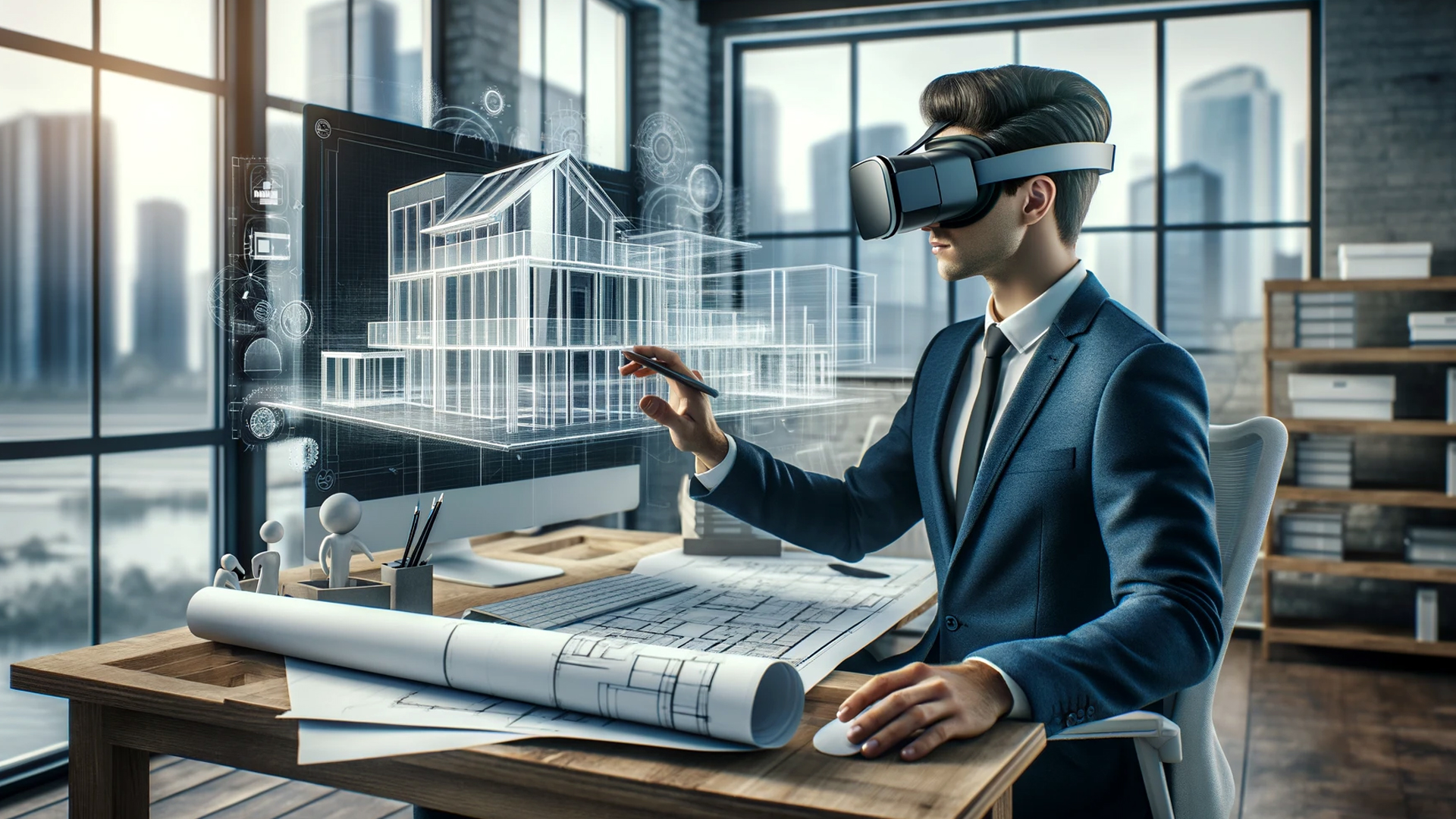
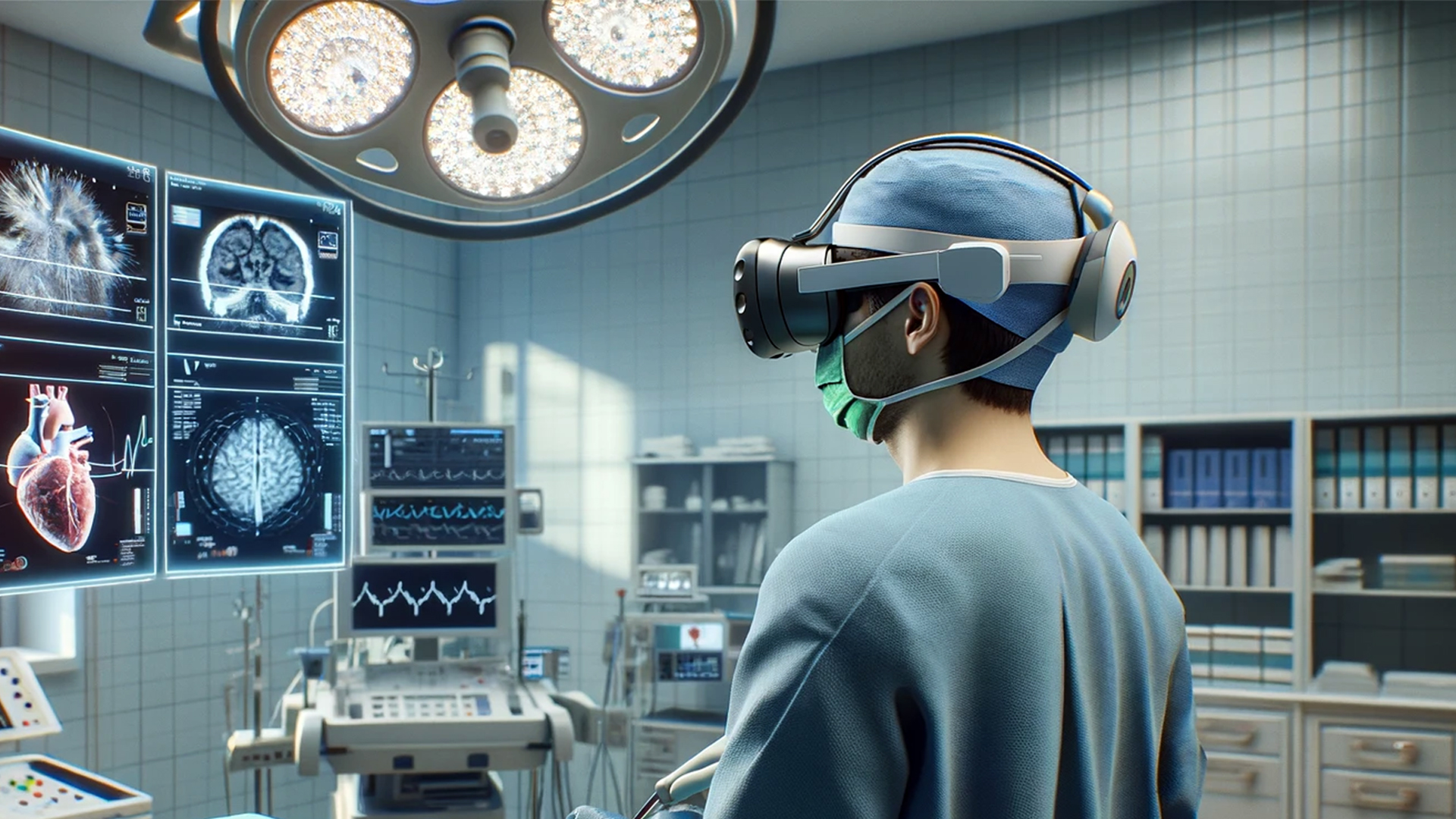
VR in Professional Fields Virtual Reality is also making waves in professional fields. In healthcare, VR is used for surgery simulation, helping doctors to practice complex procedures without any risks. In architecture, VR allows designers to create and walk through their buildings before they're even built. This crossover of Virtual Reality into different professional arenas showcases its versatility and capacity to enhance various aspects of our lives. The Psychological Impact of Virtual Reality As VR technology becomes more advanced, it begins to blur the lines between virtual and actual realities. This blurring raises questions about the psychological impact of Virtual Reality. When you spend hours in a VR world, your brain starts to accept it as a form of reality. This can be both amazing and alarming. On one hand, it opens up possibilities for therapy and mental health treatment, like treating phobias by gradually exposing patients to their fears in a controlled, virtual environment. On the other hand, it poses challenges in distinguishing between virtual experiences and real-life memories. Virtual Reality and Social Interaction Another fascinating aspect of Virtual Reality is its impact on social interaction. In virtual worlds, people can interact with others as avatars. This can create a sense of community and belonging, as seen in platforms like VRChat, where users from around the globe meet and interact in VR. But it also raises questions about our understanding of social realities. How does interacting in a virtual world affect our real-life social skills and relationships? Virtual Reality in Art and Creativity The realms of art and creativity have been revolutionized by Virtual Reality. Artists are using VR to create immersive, 3D art installations that offer a completely new perspective on art. It allows viewers to step inside the artwork, experiencing it in a way that was never possible before. This fusion of technology and art challenges our traditional understanding of artistic expression and opens new avenues for creative exploration. The Future of Virtual Reality Looking to the future, the possibilities of Virtual Reality are limitless. From virtual travel to distant worlds to revolutionizing how we work and learn, VR is steadily becoming an integral part of our lives. As the technology advances, we might see even more seamless integration of VR in our daily routines, further blurring the lines between different realities. Virtual Reality is not just a technological marvel; it's a gateway to new experiences and perspectives. It challenges our understanding of what is real and what is not, offering unprecedented ways to explore, learn, and connect. As we continue to push the boundaries of VR, we are also redefining the very essence of our experiences and interactions. The future of Virtual Reality is bright, and it's a journey that's just beginning. Exploring the Ethical Dimensions of Virtual Reality As we delve deeper into the world of Virtual Reality, it's crucial to consider its ethical implications. The power of VR to create realistic simulations raises questions about the ethical use of this technology. For instance, should there be limits on the types of experiences that can be simulated in VR? The potential for VR to be used in negative or harmful ways cannot be ignored, and it's important for both developers and users to navigate these ethical boundaries responsibly. The Educational Power of Virtual Reality Virtual Reality's role in education cannot be overstated. It brings an experiential aspect to learning that textbooks and traditional methods lack. For example, in a VR environment, students can virtually travel to historical sites, dissect complex organisms, or even witness chemical reactions up close. This immersive form of learning caters to various learning styles and can make complex concepts more accessible and engaging. As VR technology becomes more widespread, it could revolutionize the educational system, making learning a more interactive, impactful, and enjoyable experience.
Physical and Psychological Health in Virtual Reality The impact of Virtual Reality on physical and psychological health is a growing area of interest. Physically, while VR can be a tool for fitness and rehabilitation, prolonged use can cause issues like eye strain, dizziness, or disorientation. It's essential to use VR responsibly and be aware of its physical implications. Psychologically, while VR can be therapeutic, there's also the risk of addiction or escapism, where individuals may prefer virtual realities over their real-life situations. Balancing VR usage and understanding its effects on our health is vital. Virtual Reality and Environmental Awareness An intriguing application of Virtual Reality is in promoting environmental awareness. VR experiences that simulate the impacts of climate change or the destruction of natural habitats can be powerful tools in environmental education. By virtually experiencing the consequences of environmental neglect, users can develop a deeper understanding and empathy towards environmental issues, potentially inspiring real-world action. Interactivity and User Experience in Virtual Reality The level of interactivity in Virtual Reality is a key factor that differentiates it from other forms of media. In VR, you're not just a passive observer; you're an active participant. This interactivity enhances user experience, making VR more engaging and memorable. As Virtual Reality technology evolves, the interactivity becomes more sophisticated, offering more realistic and immersive experiences. The Technological Evolution of Virtual Reality The continuous technological evolution of Virtual Reality is something to behold. Advancements in VR hardware, like lighter headsets, more accurate motion tracking, and better graphics, are making VR experiences more accessible and enjoyable. Similarly, software developments are leading to more realistic and complex virtual environments. This ongoing technological evolution is key to the growing popularity and application of Virtual Reality in various fields. Virtual Reality as a Cultural Phenomenon Virtual Reality has transcended technology to become a cultural phenomenon. It's influencing not just how we play games or learn, but also how we consume art, interact socially, and perceive our world. VR is becoming a part of popular culture, influencing movies, music, and literature, and shaping new forms of storytelling and artistic expression. As we explore the myriad facets of Virtual Reality, it becomes clear that its potential is boundless. VR is not just a technological innovation; it's a tool for education, a medium for artistic expression, a platform for social interaction, and a gateway to unexplored realities. As we continue to push the boundaries of what's possible in Virtual Reality, we are not only redefining our experiences but also expanding the horizons of what it means to be human in an increasingly digital world. Virtual Reality, in blurring the lines between different realities, is shaping a future full of exciting, uncharted possibilities.
Related Vectors
Full HubMore From Virtual Reality

Adaptive VR Training: Using Physiological Feedback to Improve Learning & Safety
Revolutionize training with adaptive VR—utilizing heart rate, gaze, and stress indicators to personalize learning and enhance safety.
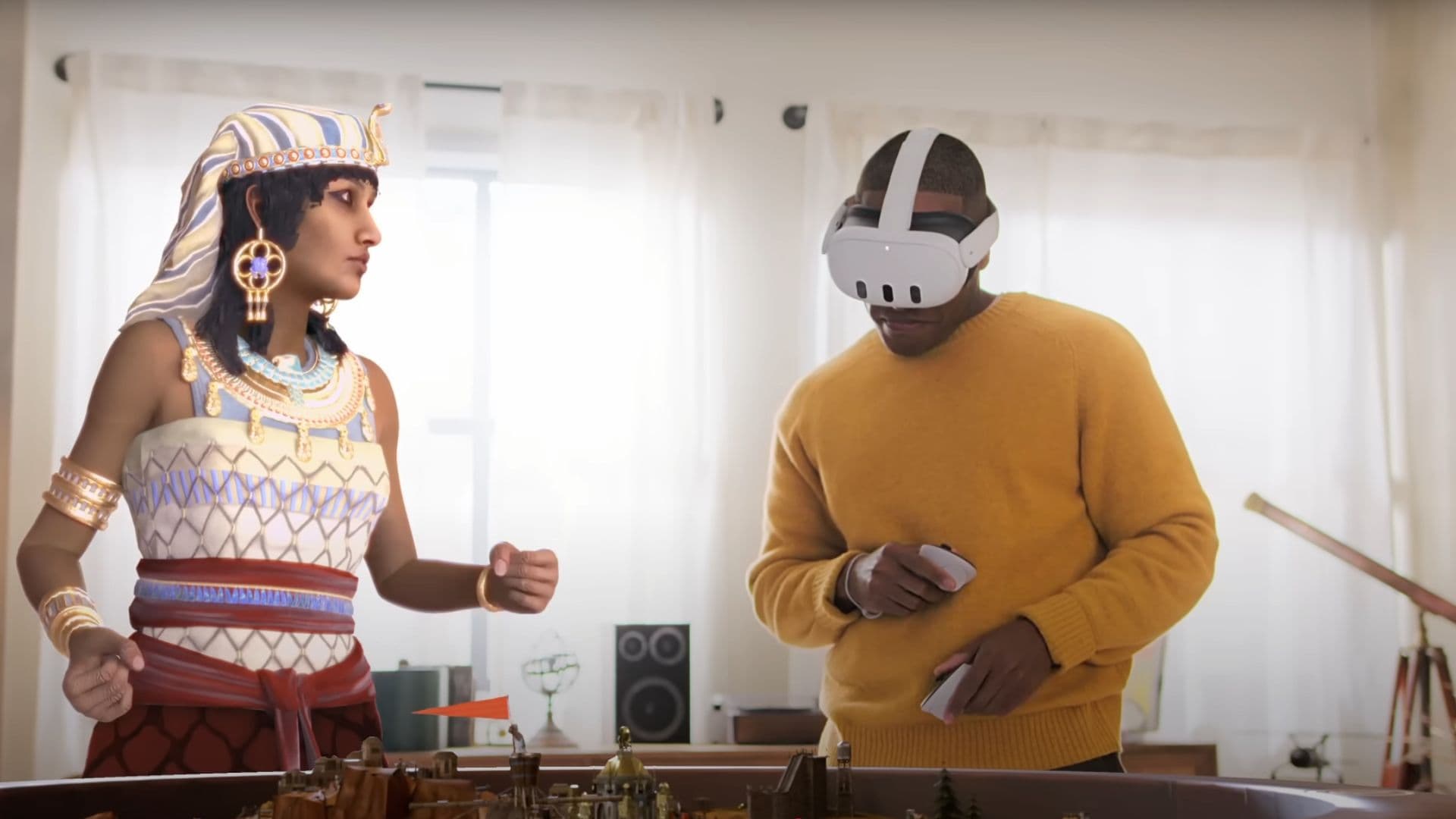
Civilization VII in VR for Meta Quest 3: Release Date, Pricing, and What to Expect
Explore Civilization VII in VR—launching April 10, 2025, for $60. Experience the strategy classic in immersive mixed reality.
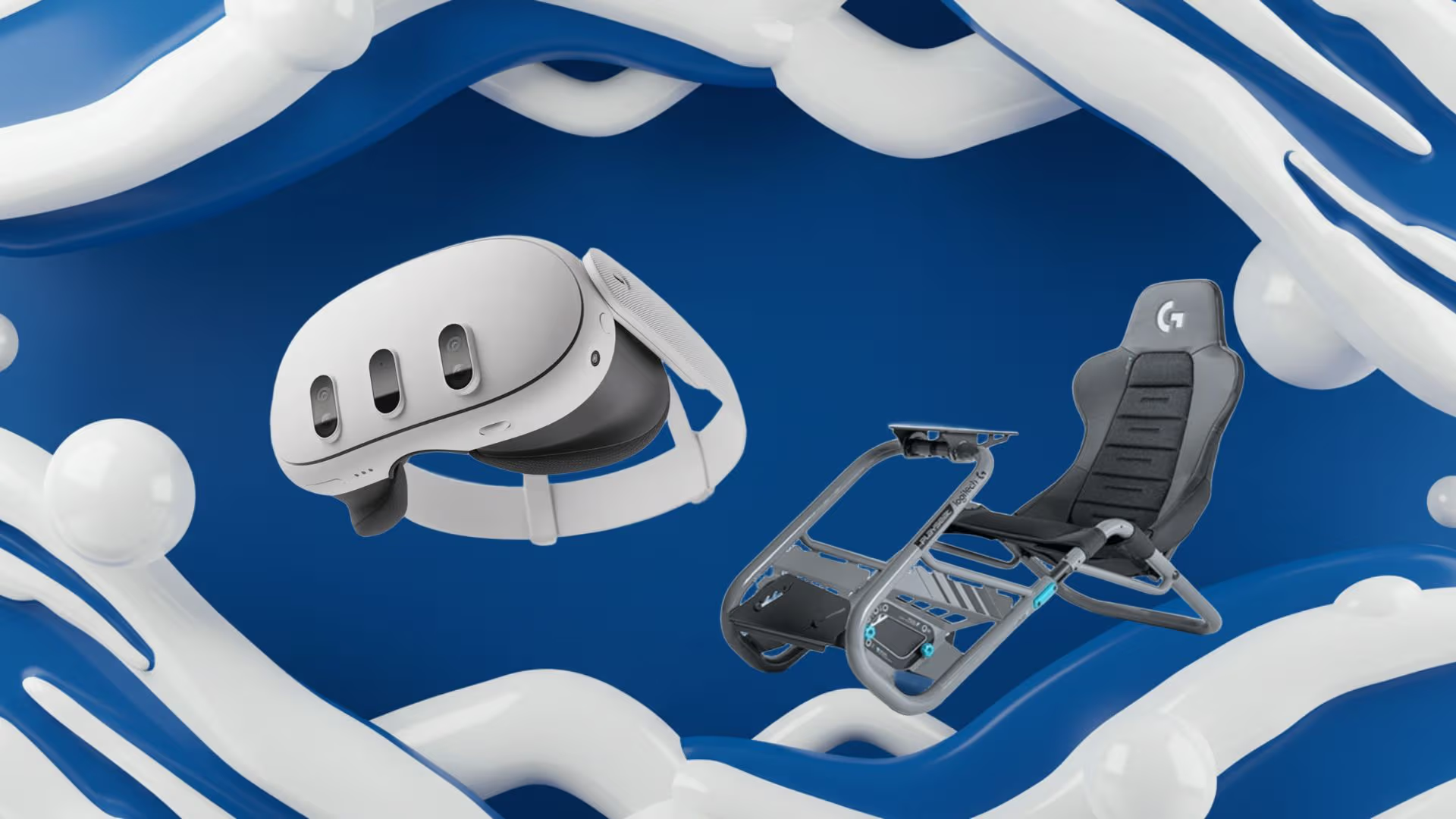
Optimizing Your Meta Quest 3 for Sim Racing Excellence
Enhance your sim racing experience with Meta Quest 3—step-by-step guide to calibration, hardware setup, and achieving peak performance.