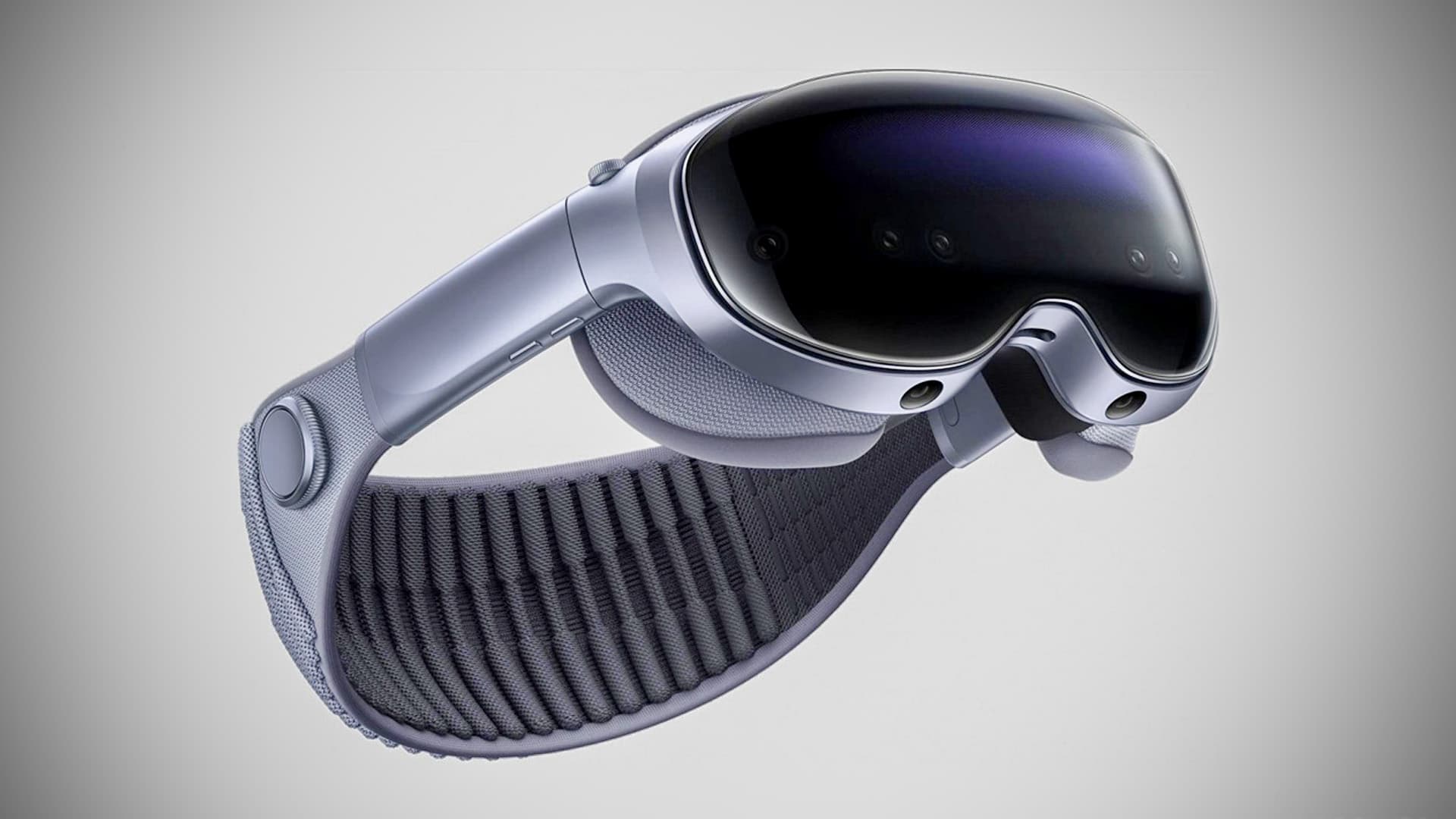
In recent years, a term has been gaining momentum, capturing the imagination of tech enthusiasts and the curiosity of the general public alike: the Metaverse. If you’re encountering this concept for the first time, you might wonder what it entails and why it’s generating so much buzz. Simply put, the Metaverse represents a collective virtual shared space, created by the convergence of virtually enhanced physical reality, augmented reality (AR), and the internet. It’s a term that conjures images of futuristic landscapes and immersive digital worlds, but what exactly is the Metaverse, and what does it mean for us?
The Genesis of the Metaverse
The term “Metaverse” first appeared in Neal Stephenson’s 1992 science fiction novel, “Snow Crash,” where it described a virtual reality-based successor to the internet. Since then, the concept has evolved beyond fiction, with advancements in technology bringing us closer to making the Metaverse a reality. Today, the Metaverse refers to a digital universe that offers immersive experiences through a variety of devices like VR headsets, AR glasses, smartphones, and computers.
Components of the Metaverse
The Metaverse is not just a single virtual world or platform. It encompasses multiple elements:
• Virtual Reality (VR): VR provides fully immersive digital environments that users can interact with in a seemingly tangible way.
• Augmented Reality (AR): AR overlays digital information onto the physical world, enhancing real-life experiences with virtual elements.
• Digital Economy: The Metaverse includes a fully functioning economy, complete with jobs, transactions, and virtual goods and services. Cryptocurrencies and non-fungible tokens (NFTs) play significant roles in this digital economy.
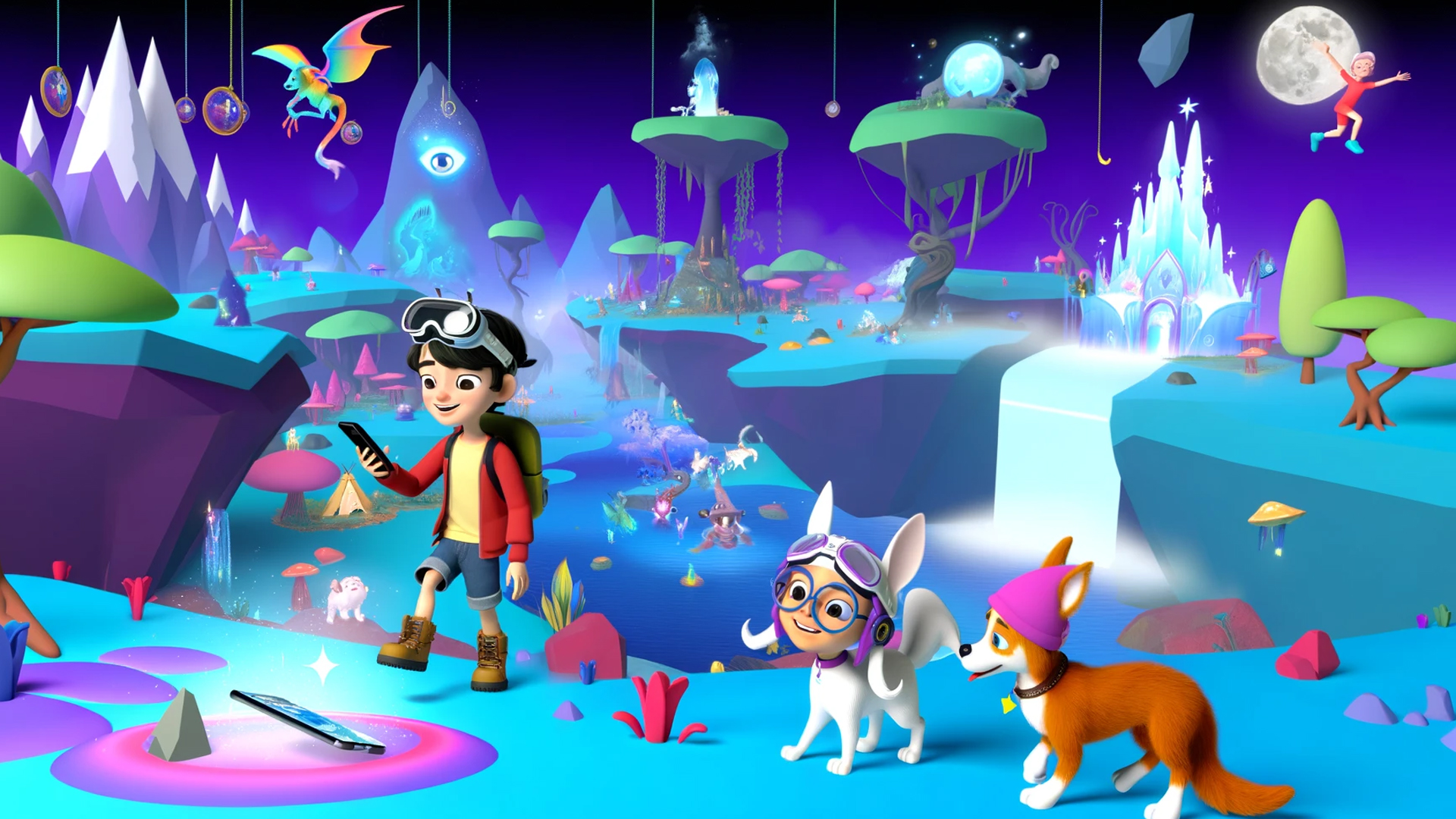
• Social Interaction: It offers a new dimension for socializing, where users can meet, collaborate, and interact with others from around the world in a virtual space.
The Potential of the Metaverse
The possibilities within the Metaverse are vast and varied, ranging from entertainment and gaming to education, work, and beyond. Here are a few ways the Metaverse could impact our lives:
• Work and Collaboration: The Metaverse can host virtual workspaces, enabling remote collaboration in a more interactive and engaging manner than traditional video calls.
Education and Training: It offers immersive learning experiences, where students can explore historical sites, conduct virtual science experiments, or learn new skills in an interactive environment.
• Entertainment: From attending virtual concerts and exhibitions to exploring new forms of interactive storytelling, the Metaverse opens up new avenues for entertainment.
Social Experiences: It provides a platform for social gatherings, community building, and new forms of interaction that transcend physical boundaries.
Challenges and Considerations
While the Metaverse presents exciting opportunities, it also raises important questions about privacy, security, and accessibility. Ensuring a safe and inclusive environment for all users, protecting personal data, and making the Metaverse accessible to people regardless of their socioeconomic status are crucial challenges that need addressing.
The Future of the Metaverse
As technology continues to advance, the Metaverse is expected to become more integrated into our daily lives, offering increasingly sophisticated and seamless experiences. Major tech companies and startups alike are investing in the infrastructure and platforms that will underpin this digital universe, signaling that the Metaverse is poised to be the next significant evolution in how we interact with technology and each other.
The Metaverse represents a bold vision of the future, where the boundaries between the physical and digital worlds blur, creating endless possibilities for exploration, creativity, and connection. As we stand on the cusp of this new frontier, it’s clear that the Metaverse has the potential to transform every aspect of our lives, inviting us to reimagine what’s possible in a fully connected and immersive digital universe. Whether for work, education, entertainment, or socializing, the Metaverse promises to redefine our digital experiences, making them more interactive, engaging, and integrated into our physical reality.
Here’s a table illustrating how the Metaverse is potentially going to change various aspects of the world:
Aspect - Current State - Potential Changes with Metaverse
Work - Traditional office environments and remote work via video conferencing. - Virtual workspaces for collaborative projects, immersive remote work environments.
Education - Classroom-based learning, online courses. - Interactive learning experiences, virtual field trips, gamified learning platforms.
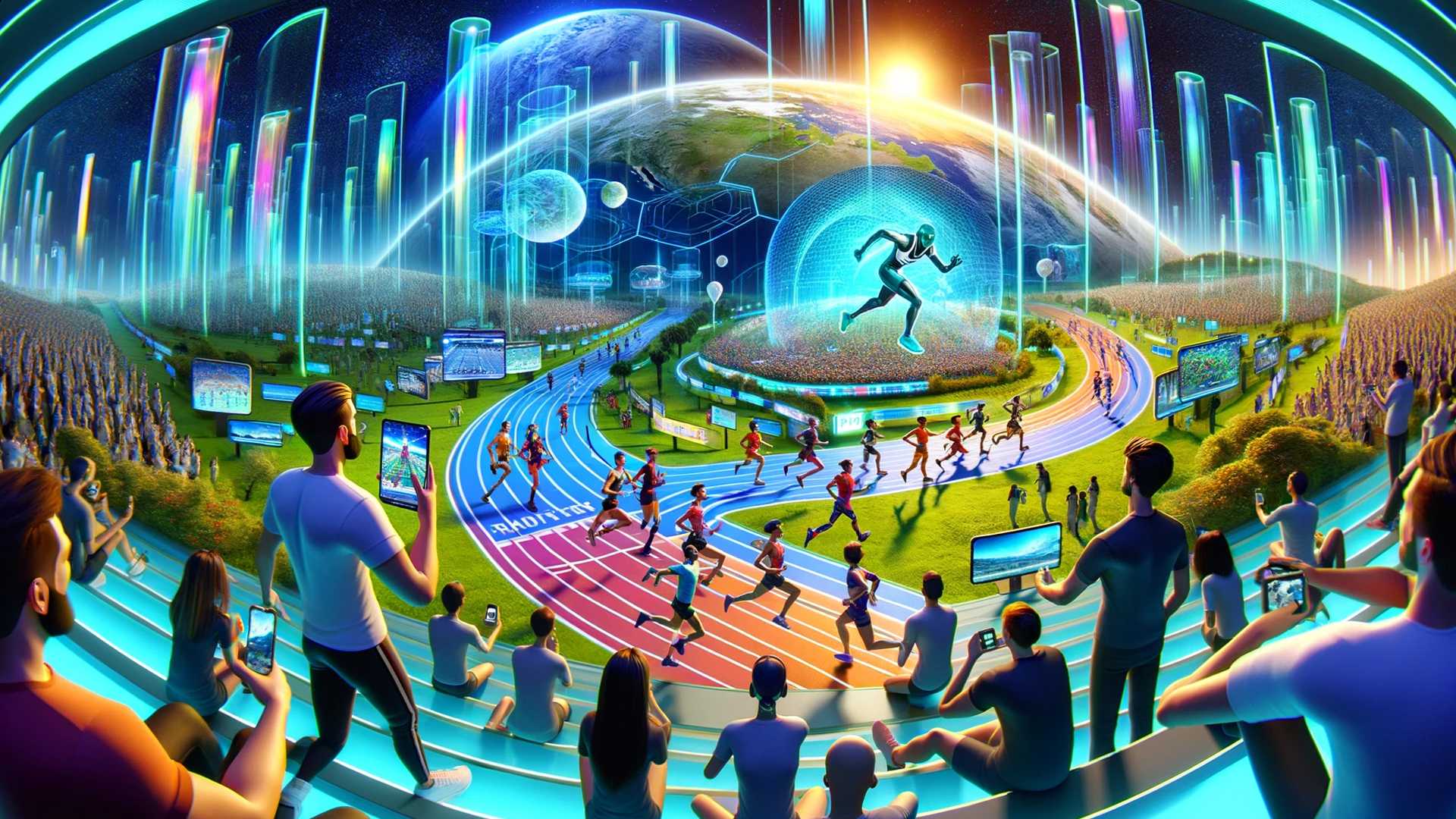
Entertainment - Live events, streaming services, traditional gaming. - Virtual concerts, movies, and events, immersive gaming experiences.
Social Interaction - Social media platforms, online forums. - 3D social spaces for more lifelike interactions, virtual communities.
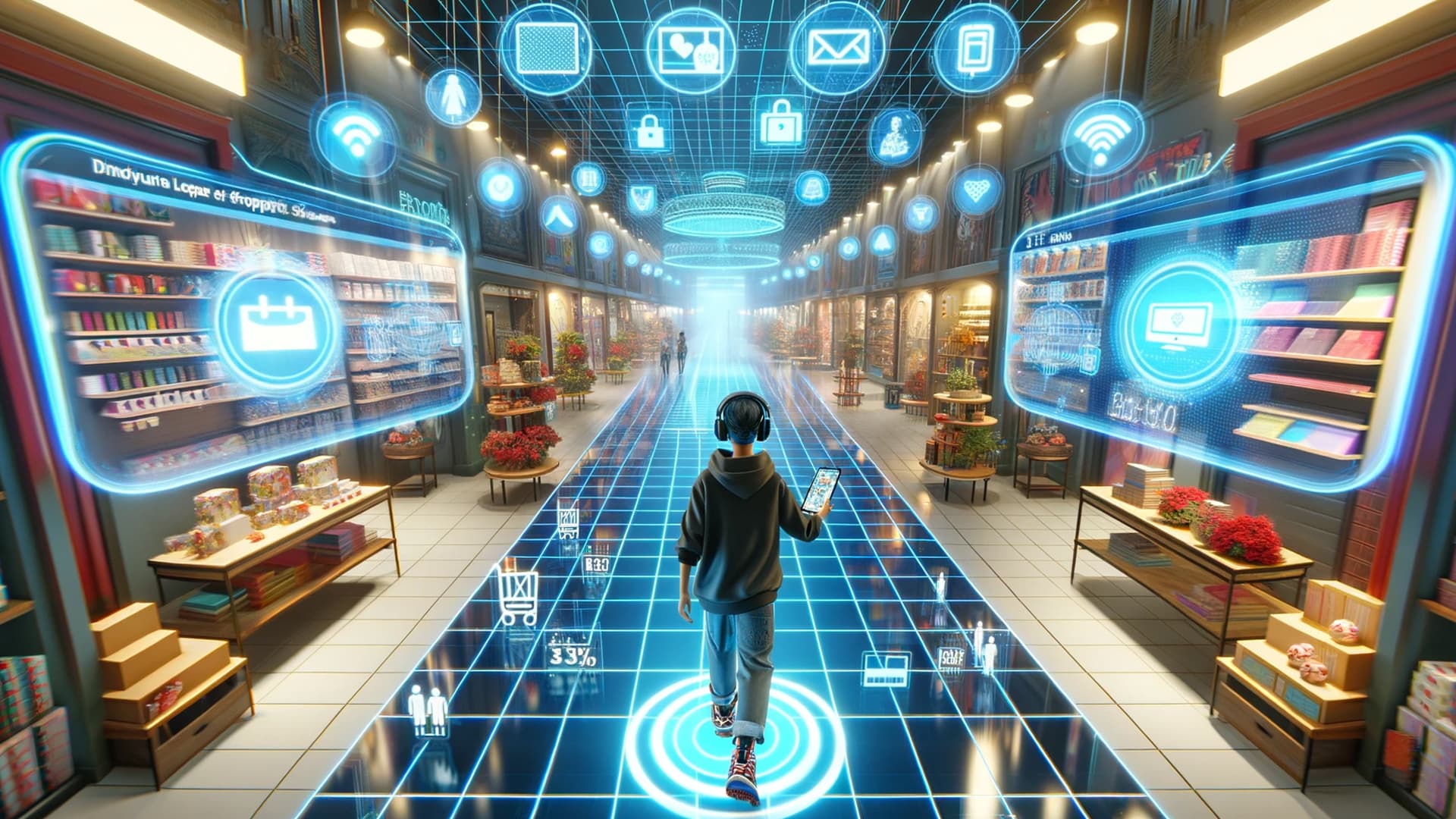
E-commerce - Online shopping websites, digital marketplaces. - Virtual storefronts, immersive shopping experiences.
Real Estate - Physical locations, online listings. - Virtual property tours, ownership of digital real estate.
Healthcare - In-person consultations, telehealth services. - Virtual healthcare services, remote surgeries, therapy in VR environments.
This table highlights the transformative potential of the Metaverse across various sectors, showcasing a shift towards more immersive, interactive, and digital experiences.
When can we expect the Metaverse to go Mainstream
The timeline for the full realization of the Metaverse is a topic of much speculation and debate among technologists, futurists, and industry leaders. Several components of the Metaverse, such as virtual reality (VR), augmented reality (AR), and digital economies, are already in various stages of development and implementation. However, the Metaverse as a fully integrated, universally accessible digital universe remains a work in progress.
Short-term Developments (Next 1-5 Years)
In the short term, we can expect continued advancements in VR and AR technologies, with more sophisticated headsets, improved user interfaces, and more immersive content. Early versions of Metaverse-like experiences will likely expand, particularly in gaming, social networking, and specific professional applications. These developments will lay the groundwork for more complex Metaverse interactions.
Medium-term Developments (5-10 Years)
Over the next five to ten years, we may see significant strides towards integrating different digital spaces and platforms into a more cohesive Metaverse experience. This period will likely witness the growth of the digital economy within these spaces, including the use of cryptocurrencies and non-fungible tokens (NFTs) for transactions. Additionally, advancements in internet infrastructure, such as the rollout of 5G and beyond, will improve accessibility and functionality of Metaverse experiences.
Long-term Vision (10+ Years)
Looking further ahead, the next decade and beyond could see the Metaverse coming into fuller existence. This would involve a seamless blend of physical and digital realities, where users can move between different virtual environments with ease, using a single, persistent digital identity. The Metaverse would become a platform not just for gaming and socializing, but for a wide range of everyday activities, including work, education, shopping, and entertainment.
Challenges to Overcome
Several challenges need to be addressed before the Metaverse can become a reality, including:
Technological: Developing the hardware and software capable of delivering a fully immersive, integrated digital experience.
Standardization: Creating universal standards and protocols that allow for interoperability between different virtual spaces and platforms.
Privacy and Security: Ensuring the safety and security of users’ data and transactions within the Metaverse.
Accessibility: Making sure that access to the Metaverse is not limited by socioeconomic status, geography, or disability.
Conclusion
While it’s difficult to predict precisely when the Metaverse will exist in its fullest form, it’s clear that we are moving towards increasingly integrated and immersive digital experiences. The foundational elements are being developed, and as these technologies mature and converge, the vision of a unified Metaverse becomes more plausible. The next decade will likely be critical in shaping the future of this digital universe, with potential milestones and breakthroughs bringing us closer to making the Metaverse a reality.
Protocol Architect
Gerald Ferreira
Leading the charge in spatial computing and immersive environments. Shaping the future of how Africa interacts with the digital world through cutting-edge VR and AR integration.
Related Vectors
Full HubMore From Virtual Reality

Adaptive VR Training: Using Physiological Feedback to Improve Learning & Safety
Revolutionize training with adaptive VR—utilizing heart rate, gaze, and stress indicators to personalize learning and enhance safety.

Civilization VII in VR for Meta Quest 3: Release Date, Pricing, and What to Expect
Explore Civilization VII in VR—launching April 10, 2025, for $60. Experience the strategy classic in immersive mixed reality.

Optimizing Your Meta Quest 3 for Sim Racing Excellence
Enhance your sim racing experience with Meta Quest 3—step-by-step guide to calibration, hardware setup, and achieving peak performance.